Culture news and discussion on TalkFuse.
‘Food divorce’ trend among couples could drive them apart, experts warn
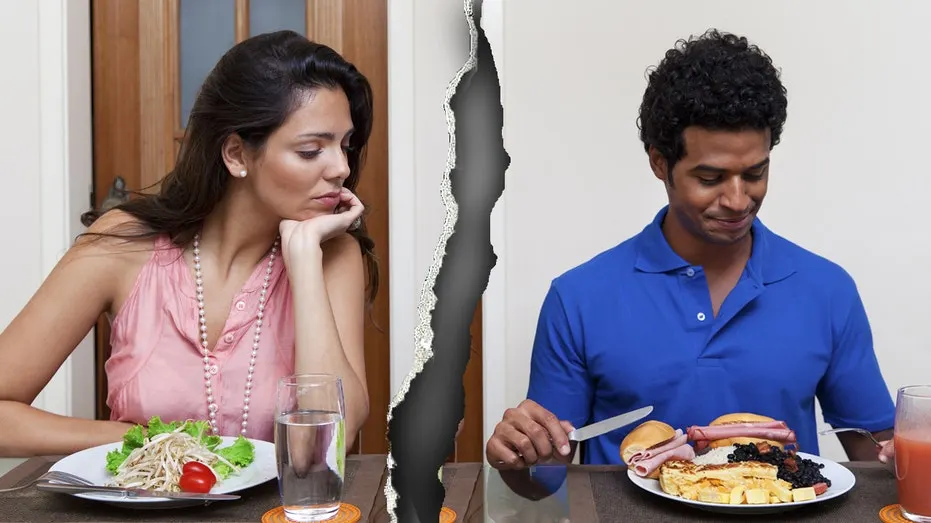
A social media trend dubbed "food divorce" – where couples deliberately cook, order and eat their meals separately – is gaining traction, but experts warn it can weaken relationships despite solving practical problems like clashing schedules or dietary needs. Nutritionists say the real loss is not the shared food itself but the daily opportunity for connection that communal meals provide, warning that regular separate eating can foster a "roommate dynamic", reduce communication and contribute to isolation.
Registered dietitian Tanya Freirich told Fox News Digital that busy schedules are driving the trend, but that eating alone consistently "can't be great for mental health or well-being", noting that communities have gathered around meals for thousands of years. Separate eating can also raise grocery and preparation costs, and studies show solo diners tend to eat faster, scroll on phones more, and choose processed convenience food. Rather than fully separate meals, experts recommend "modular" options such as deconstructed tacos or grain bowls that let each person customise portions and ingredients, and suggest prioritising quality over frequency – for example, one intentional, phone-free meal together each week – when daily shared dinners aren't feasible.
In short
- "Food divorce" sees couples eating separately, raising relationship concerns
- Experts say shared meals build connection; separate eating risks isolation
- Suggested fix: modular meals or one intentional shared meal weekly
Steelman: both sides, in good faith
The strongest fair case each way — we don't pick a winner.
The case for
Eating separately can suit couples with mismatched schedules, dietary needs or preferences, reducing stress and making meals easier to manage. Respecting that independence may work well when both partners feel cared for and make time to connect in other ways.
The case against
Shared meals can provide a regular, low-pressure chance to talk and feel connected, so routinely eating apart may leave couples with fewer everyday moments together. Separate cooking and shopping can also add cost and effort, while making convenient, less nutritious choices more tempting.
Explained simply
Shared meals have long been a way for people to spend time together, talk and keep in touch. Couples’ routines can make that harder: work hours may differ, and partners may have different dietary needs or preferences.
Some couples respond by preparing and eating food separately. This can make mealtimes easier to organise, but eating alone regularly may also mean fewer everyday chances to communicate and feel connected.
The issue is how couples balance practical needs with time together. Flexible meals, where each person chooses their own ingredients, can accommodate different preferences while leaving room to share a meal.