Culture news and discussion on TalkFuse.
Food waste processing is ‘worth the extra effort’
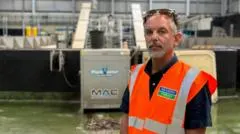
Cornwall Council is urging more residents to recycle food waste after 36,000 tonnes were processed through an anaerobic digester over two years. The waste is converted into methane for electricity and fertiliser, offering an alternative to incineration and supporting the council’s aim to recycle 65% of waste by 2029.
The Holsworthy facility in Devon processes around 1,100 tonnes of food waste weekly and could generate enough electricity for 8,500 homes. Food makes up 22% of Cornwall’s black-bag waste, with 43% of that still packaged, while Cornwall’s overall recycling rate is currently just above 50%.
In short
- Cornwall food waste becomes electricity and fertiliser
- 36,000 tonnes recycled in two years
- Council targets a 65% recycling rate by 2029
Steelman: both sides, in good faith
The strongest fair case each way — we don't pick a winner.
The case for
Supporters emphasise the concrete environmental gains: capturing methane for electricity generation (powering 8,500 homes from a single facility) prevents greenhouse gas emissions that landfills produce, whilst generating nutrient-rich fertiliser reduces dependence on chemical alternatives. With food waste comprising 22% of black-bag waste, organised anaerobic digestion offers a scalable way to transform a significant resource stream into tangible benefits, advancing circular economy principles and supporting the council's 2029 recycling targets.
The case against
Sceptics question whether the benefits justify implementation complexities and costs. High contamination rates (43% of food waste still packaged) reveal persistent participation barriers, collection vehicles generate their own carbon footprint, and substantial infrastructure investment is required. They suggest simpler alternatives—notably widespread household composting—might achieve comparable environmental gains more efficiently, with resources perhaps better directed at waste prevention or other recycling priorities to reach 2029 targets.
Explained simply
Food waste can be treated separately from general rubbish in a process called anaerobic digestion. Microbes break it down without oxygen, producing methane that can be used to generate electricity and material that can be turned into fertiliser.
Cornwall Council collects food waste from residents and sends it to a facility in Holsworthy, Devon. The council wants to increase the share of household waste that is recycled, while food remains a substantial part of what residents put in their black bags.
Separating food waste from other rubbish can help make it suitable for processing, including when it is still in packaging, which must be dealt with at the facility. The resulting energy and fertiliser offer another use for discarded food alongside disposal methods such as incineration.