Footage of Tibet floods isn’t being shown in China – and we know little about victims there
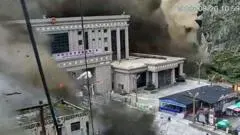
Flash floods near Gyirong Port on the Nepal–Tibet border have killed hundreds of people and left many others missing, prompting a large Chinese rescue operation. The article says footage of the disaster has circulated internationally but is largely absent from Chinese media and heavily censored online, limiting public information about victims and survivors in Tibet.
Beijing has issued updates on casualties, rescue work and a potentially dangerous barrier lake, while President Xi Jinping chaired an emergency meeting and Premier Li Qiang visited the area. However, there have been few survivor accounts, little user-generated footage and no accessible testimony from families of the missing; the article links this restricted flow of information to China’s longstanding political sensitivity over Tibet and its emphasis on social stability.
In short
- Deadly Tibet-border floods have triggered major Chinese rescue efforts.
- Censorship has restricted footage and survivor accounts inside China.
- Limited reporting leaves victims’ circumstances largely unknown.
Steelman: both sides, in good faith
The strongest fair case each way — we don't pick a winner.
The case for
Restricting graphic or unverified footage during a major rescue operation can help prevent rumours, protect victims’ privacy and keep attention on reliable safety information. Beijing has issued casualty and rescue updates and sent senior officials to the area; officials could argue that coordinated reporting supports social stability while responders manage a fast-changing emergency.
The case against
When footage and personal testimony are scarce, the public has fewer ways to understand the scale of the disaster or hear from victims’ families, and official updates are harder to assess independently. Given Tibet’s political sensitivity, broad censorship may also deepen suspicion that information is being withheld for reasons beyond rescue coordination, undermining trust and accountability.
Explained simply
Tibet is an autonomous region of China, bordering Nepal, and Gyirong Port is a crossing between the two. The area’s mountain valleys and rivers can be vulnerable to sudden floods and landslides, which can leave communities cut off and make rescue work difficult.
China’s government directs emergency response and public information, while state media and online platforms operate under censorship rules. Tibet is politically sensitive, and reporting about the region is closely controlled.
When independent footage and personal accounts are hard to access, it can be difficult to understand what has happened to people affected by a disaster. Official updates can provide figures and information about rescue work, but families and survivors may have few public ways to share their experiences.