Football Daily | United’s cycle of hope followed by failure claims another patsy in Carrick
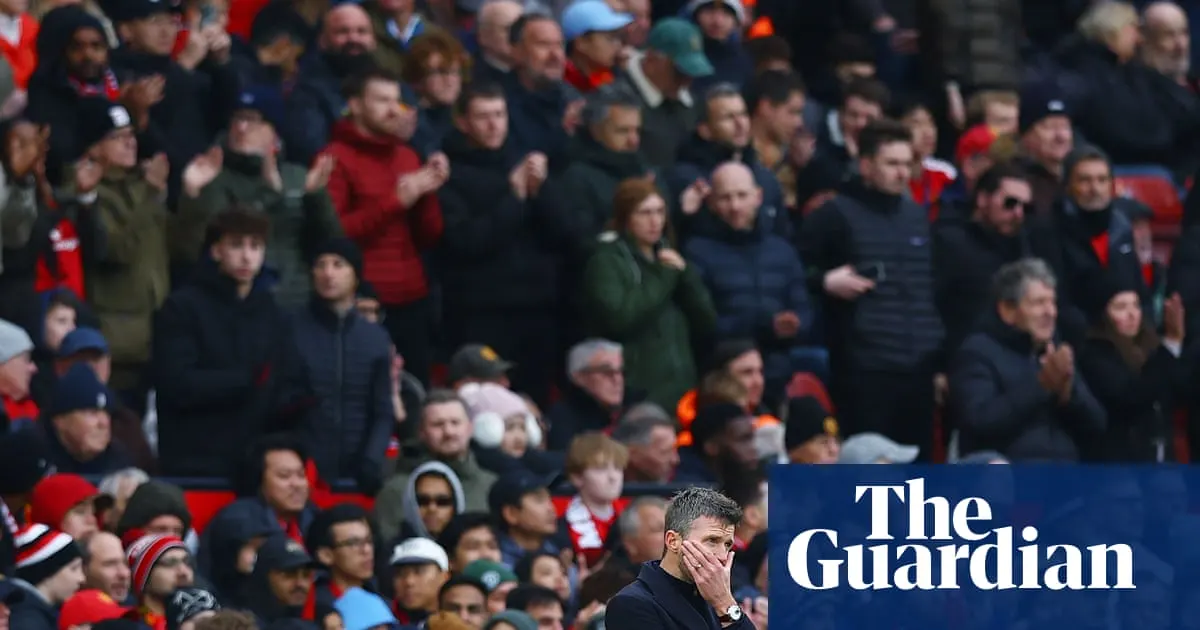
Manchester United’s heavy defeat by Bournemouth intensified anger at the club, while manager Michael Carrick appeared close to losing his job. The article argues that supporters see him as a convenient scapegoat in a wider cycle of hope and failure, with blame also directed at the players and the club’s owners and executives.
Carrick received applause from supporters as he left the pitch, while players, including Bruno Fernandes, were booed. Fans also chanted against the Glazer family, Jim Ratcliffe and executives Omar Berrada and Jason Wilcox, and criticised Ratcliffe’s proposed new stadium design. The piece questions whether a new manager could succeed while the club’s deeper problems remain unresolved.
In short
- United’s defeat by Bournemouth increased pressure on Michael Carrick.
- Supporters directed anger at players, owners and executives too.
- The article questions whether changing managers can fix deeper problems.
Steelman: both sides, in good faith
The strongest fair case each way — we don't pick a winner.
The case for
A change of manager may be justified if results and performances have fallen below what the club needs; appointing a new coach could bring fresh ideas, restore confidence and make clearer demands of the players. Supporters who hold Carrick responsible can reasonably argue that a manager must be judged on outcomes, even when wider problems at the club also matter.
The case against
Removing Carrick risks repeating a cycle in which a manager absorbs blame for problems rooted across the club, including recruitment, ownership and executive decisions. Supporters may argue that stability and meaningful changes to those deeper structures are more likely to help than another appointment, especially if the players and leadership also share responsibility.
Explained simply
Manchester United is one of English football’s most successful clubs, but its results and leadership have been unsettled since long-serving manager Alex Ferguson retired in 2013. Since then, the club has appointed several managers, each arriving with hopes of restoring its former success.
The Glazer family owns the club, while Jim Ratcliffe and his company, Ineos, have a major role in its football operations. Executives including Omar Berrada and Jason Wilcox help oversee the club. Their decisions, along with those of managers and players, shape how United is run and performs.
A manager can be held responsible for results, but a club’s fortunes also depend on recruitment, leadership and the players’ performances. The debate matters to supporters because changing the manager may not address concerns about how the club is managed more broadly.