Sport news and discussion on TalkFuse.
Football Daily | ‘Where the hell is Roy Keane!’ Fifty shades of great football debate
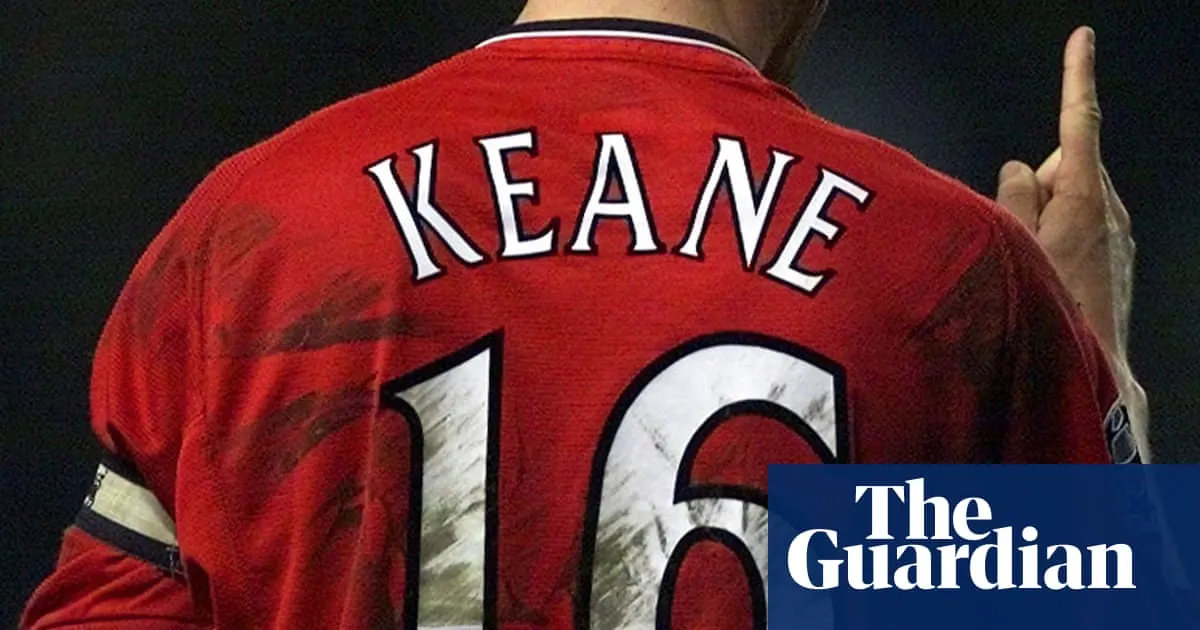
A light-hearted football newsletter discusses a ranking of the men’s footballers most associated with shirt numbers 1 to 50, and the arguments it has provoked. The list highlights how shirt numbers have become part of football culture, while showing that the traditional association of numbers 1 to 11 does not capture every era or country’s conventions.
The piece jokes about omissions such as Roy Keane, Bobby Moore and Pelé, and unexpected choices including Asamoah Gyan wearing No 3. It also points to different numbering traditions in Argentina and Brazil, where the No 5 is typically a defensive midfielder, and mentions Hungary’s 1953 team at Wembley. The newsletter also notes upcoming FSA Awards voting, a Women’s Champions League match, and Ramon Vega’s criticism of Fifa over the World Cup.
In short
- A 1-to-50 shirt-number ranking has sparked football debate.
- The list challenges traditional ideas about iconic numbers.
- Football numbering traditions differ across countries and eras.
Steelman: both sides, in good faith
The strongest fair case each way — we don't pick a winner.
The case for
A ranking of players linked with shirt numbers is a playful way to explore how football traditions and identities have changed across eras and countries. Defenders of the list can argue that unexpected choices and omissions invite lively debate, while making clear that shirt numbers do not have one universal meaning.
The case against
Such a ranking is inevitably subjective: the players chosen may reflect the authors’ preferences, the eras and leagues they know best, or a particular idea of what makes someone iconic. Critics can reasonably question omissions such as Roy Keane, Bobby Moore and Pelé, or whether players from different numbering traditions can be compared on one list.