Sport news and discussion on TalkFuse.
Footballers are at risk of dying from damage caused by heading the ball, coroner warns at inquest into death of 1966 World Cup winner Nobby Stiles
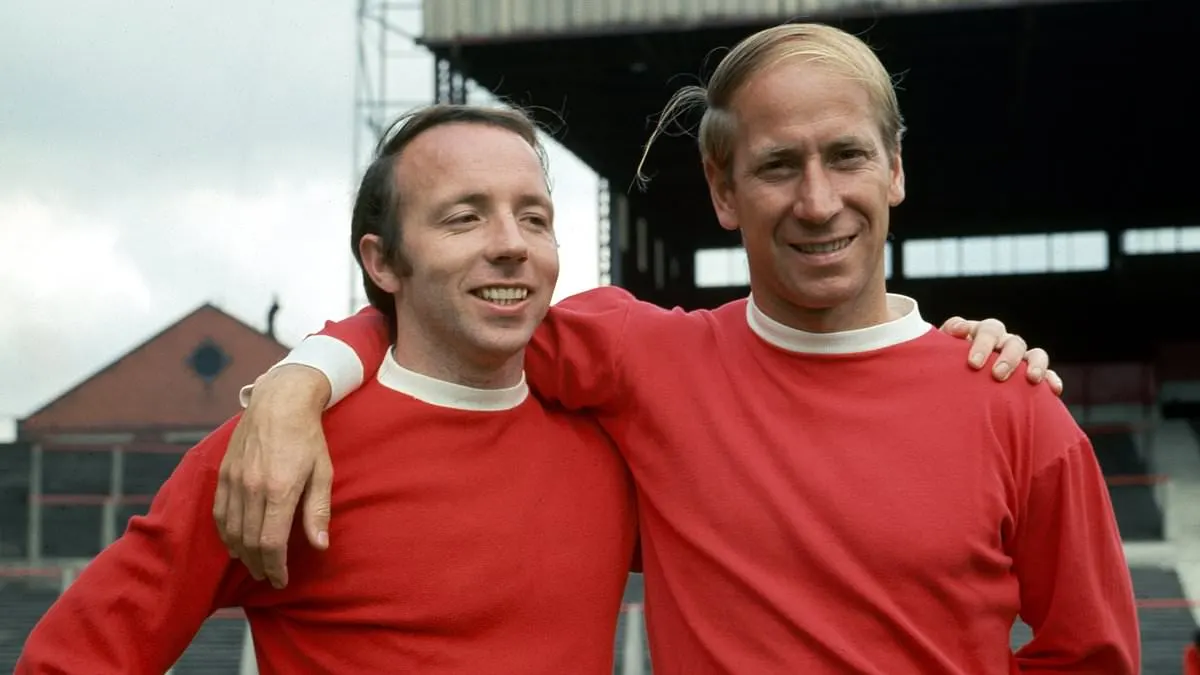
An inquest found that repeated heading during Nobby Stiles’ football career contributed to the brain diseases that led to his death aged 78. A senior coroner has warned that footballers, including children and amateurs, may face a risk of developing chronic traumatic encephalopathy (CTE), and says action is needed to prevent future deaths.
Stiles, who played every minute of England’s 1966 World Cup campaign and later won the European Cup with Manchester United, was estimated to have headed the ball about 140,000 times. His death in 2020 was attributed to several conditions, including Alzheimer’s disease and high-stage CTE; the inquest concluded that repeated heading caused the CTE. The coroner sent a Prevention of Future Deaths report to the Football Association, Stiles’ family and the Education Secretary; the FA described the issue as complex.
In short
- Coroner warns repeated heading may put footballers at risk of CTE.
- Nobby Stiles was estimated to have headed the ball 140,000 times.
- Inquest linked his CTE to heading throughout his playing career.
Steelman: both sides, in good faith
The strongest fair case each way — we don't pick a winner.
The case for
The inquest’s findings support taking stronger steps to reduce heading, since repeated impacts may contribute to serious brain disease and the potential consequences include preventable deaths. Limits on heading, especially for children, and better guidance for players and coaches could lower exposure while evidence develops.
The case against
The findings in one player’s case do not establish the level of risk for footballers generally or which measures would reduce it most effectively. Because heading is part of the sport and the issue is complex, changes should be guided by robust research and designed carefully to protect players’ health without imposing rules that are poorly targeted or ineffective.