World news and discussion on TalkFuse.
For protecting women against violence, Mamdani puts ideology first
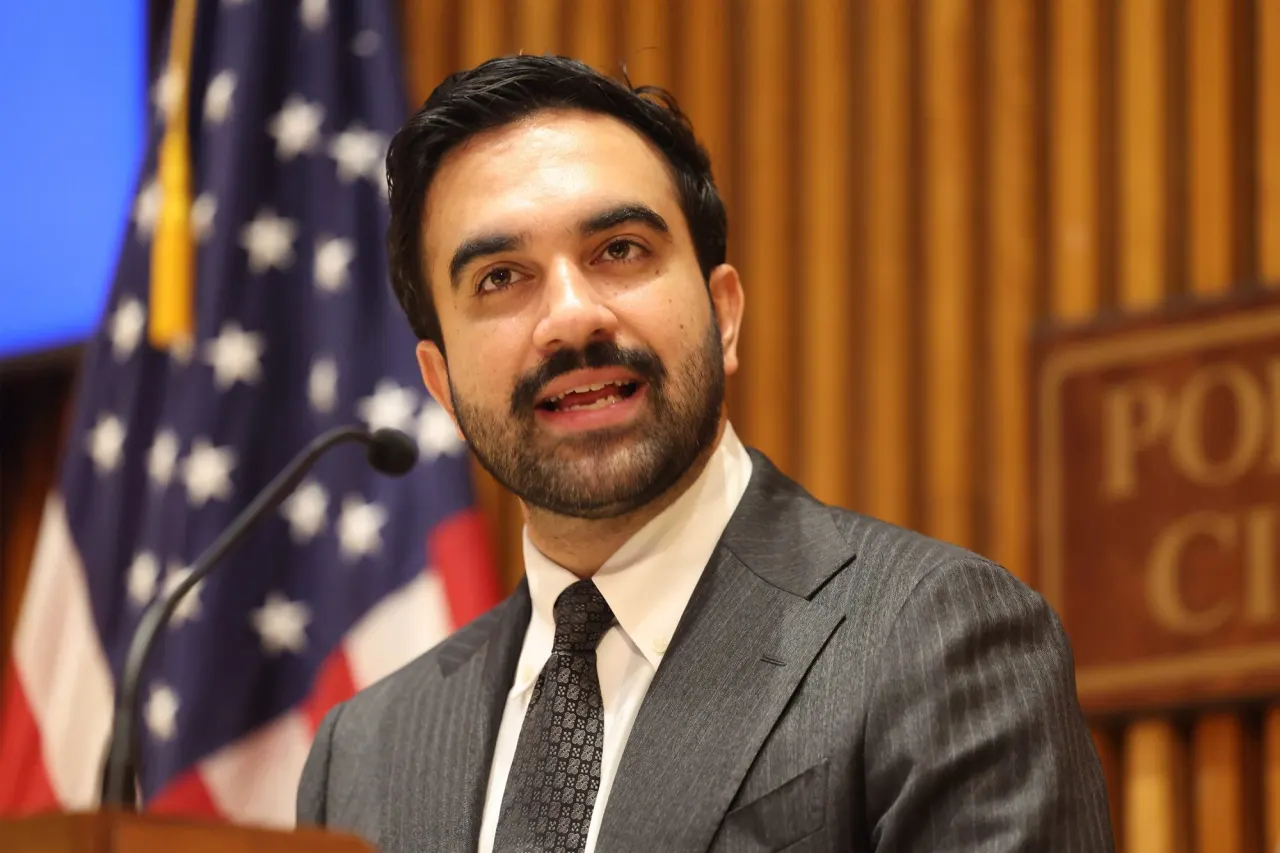
An opinion piece argues that New York Mayor Zohran Mamdani has not set out a clear plan to address sexual violence and has prioritised progressive politics over effective policing. It points to recent attacks and rising reported rape figures, while criticising his administration’s response as more focused on public messaging and alternative safety structures than concrete action.
The article says citywide rapes are up 2% year to date compared with 2025 and 23.2% compared with 2024, while Mamdani has attributed the rise partly to a broader state legal definition of sexual assault and more survivors reporting. It cites a $250,000 anti-harassment campaign and the placement of the gender-based-violence office within the $271 million Office of Community Safety, which has 100 staff but, according to the article, has not described a specific strategy. The piece also notes that Mamdani retained Police Commissioner Jessica Tisch despite pressure from allies, but argues that the community safety office reflects his ideological priorities.
In short
- Rape reports in New York City are up year to date.
- Mamdani’s Office of Community Safety has yet to outline a specific strategy.
- The opinion piece argues his approach favours ideology over policing.
Steelman: both sides, in good faith
The strongest fair case each way — we don't pick a winner.
The case for
A mayor should be judged by whether policies improve safety and support survivors, not by whether they expand conventional policing. Mamdani could reasonably argue that reported rape figures are affected by changes in the law and greater willingness to report, and that prevention, community-based support and anti-harassment efforts address causes and barriers that policing alone cannot. Retaining the police commissioner while building these services may reflect an effort to combine public safety approaches.
The case against
Sexual violence demands a clear, accountable plan, and rising reported figures make it reasonable to ask what the city is doing now to prevent attacks and respond to survivors. Critics can argue that a public campaign and a large community safety office are not substitutes for specific measures, responsibilities and results, particularly if the office has not explained its strategy. They may see prioritising alternative safety structures without demonstrating their effectiveness as an ideological choice that risks leaving urgent needs unmet.
Explained simply
Zohran Mamdani is New York City’s mayor, and Jessica Tisch is the city’s police commissioner. City government also has an Office of Community Safety, which works on public safety issues, including gender-based violence.
Rape figures can be affected by changes in the law and by whether survivors feel able to report attacks, so comparisons over time need context. The city’s response involves questions about police work, support for survivors and the role of community-based services.
The debate matters because decisions about prevention, reporting and law enforcement affect both public safety and survivors’ access to help. It also raises questions about how the city should divide responsibility between police and other public services.