World news and discussion on TalkFuse.
For Putin, foreign troops in Ukraine are unacceptable — unless they’re fighting for Russia
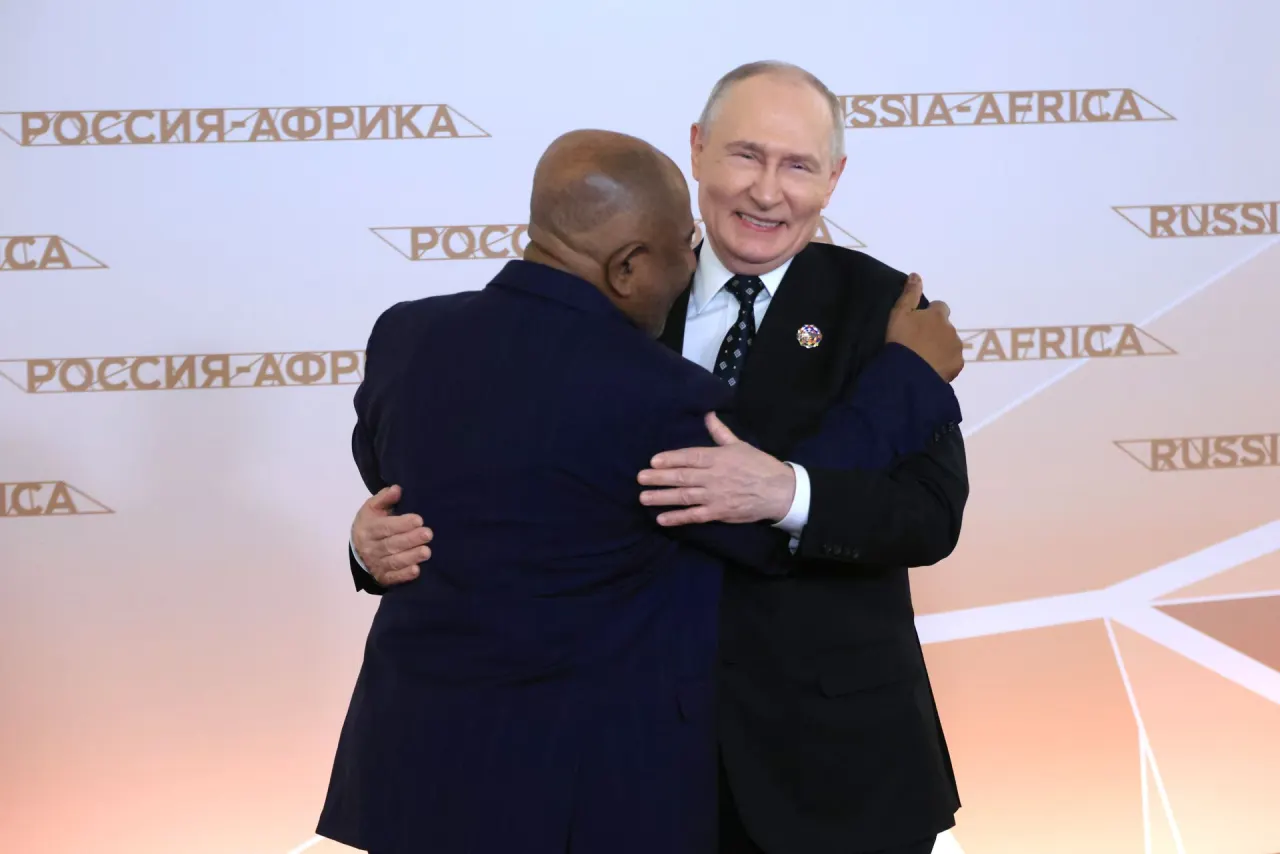
Vladimir Putin says foreign troops in Ukraine would be unacceptable, while Russia recruits thousands of Africans to fight on its side. The article argues that this contrast exposes the selective nature of Moscow’s objection and points to growing strain on its ability to recruit and pay for its war.
Ukraine’s foreign ministry says at least 2,982 citizens of 37 African countries have joined Russian forces, with around 500 killed; Ukrainian intelligence says Russia seeks 20,000 foreign recruits this year. Recruitment bonuses in St Petersburg fell from 3.5 million roubles to the 400,000-rouble minimum between October and early November, while reports say family death benefits have also been cut. Recruits were often promised civilian work, but some were sent to the front without military experience; Russia is also expanding the Africa Corps, reportedly seeking 12,000 more personnel by year’s end.
In short
- Russia rejects foreign troops in Ukraine while recruiting foreign fighters itself.
- At least 2,982 Africans from 37 countries have reportedly enlisted.
- Falling bonuses and benefit cuts suggest pressure on Russia’s recruitment system.
Steelman: both sides, in good faith
The strongest fair case each way — we don't pick a winner.
The case for
Russia could argue that its objection is to foreign troops fighting on Ukraine’s side, which it sees as escalating the conflict and deepening outside involvement, while foreign recruits who voluntarily enlist with Russia are a separate matter. It might also present recruitment as a response to wartime manpower needs and say that reports of coercion or misleading promises require case-by-case scrutiny.
The case against
Critics could argue that opposing foreign troops in Ukraine while recruiting foreign nationals to fight for Russia is an inconsistent standard, especially when recruits are reportedly misled about their roles or sent to the front without experience. Falling enlistment bonuses and reported cuts to family benefits may also suggest that recruitment reflects pressure on Russia’s ability to sustain the war, rather than a principled distinction between foreign involvement on either side.
Explained simply
Russia launched its full-scale invasion of Ukraine in 2022, and the war has since involved military support and personnel from outside both countries. Ukraine and Russia have each sought help and recruits abroad, though foreign nationals’ roles and numbers vary.
Vladimir Putin leads Russia, whose forces are fighting Ukraine’s military. Ukraine’s foreign ministry says thousands of people from African countries have joined Russian forces; Russia has also been building up a military presence in Africa known as the Africa Corps.
The issue matters because foreign recruitment can affect the forces available to continue the war, while the terms offered to recruits and their families can show the financial pressures involved. It also raises questions about how Russia distinguishes between foreign troops fighting for Ukraine and those serving on Russia’s side.
Africa Europe Russia-Ukraine War World