World news and discussion on TalkFuse.
“For the first five minutes, it’s euphoria. During the last five minutes, it’s hostile – they’re throwing quarters at our dicks!” Tom Morello looks back on Rage Against The Machine’s infamous naked protest at Lollapalooza ’93
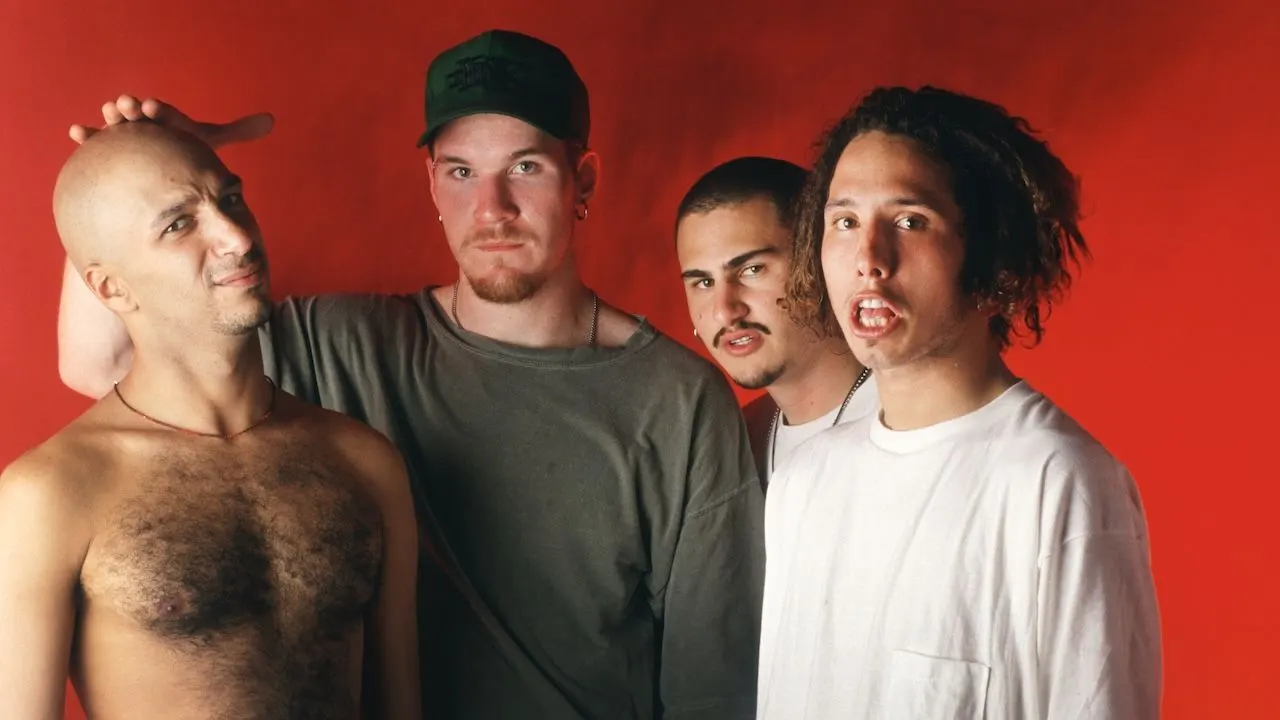
Rage Against The Machine staged a silent, naked protest at Lollapalooza in Philadelphia on 18 July 1993 to oppose music censorship and defend First Amendment rights. Tom Morello has recalled the event, which turned the band’s debut appearance before a huge festival crowd into a deliberately provocative political statement.
The four members stood onstage for 15 minutes with black tape over their mouths and “P-M-R-C” painted on their chests, referring to the Parents Music Resource Center. Their tour manager expected police to arrive after 15 minutes, so the band left without playing; Morello says the crowd’s initial excitement gave way to hostility, with some people booing and throwing coins. He later hid, still naked, on Fishbone’s tour bus as police searched for the band.
In short
- Rage Against The Machine protested music censorship at Lollapalooza in 1993.
- The band stood silently onstage for 15 minutes, then left without playing.
- Morello recalls the crowd shifting from excitement to hostility.
Steelman: both sides, in good faith
The strongest fair case each way — we don't pick a winner.
The case for
The PMRC posed a genuine threat to artistic freedom through its campaign for warning labels and content restrictions, making this a critical moment for defending First Amendment rights. Using their bodies as a medium was legitimate artistic and political expression that could not have been easily dismissed or ignored; sometimes provocative action is necessary to penetrate public consciousness about censorship threats. The band accepted potential legal consequences, and the five-minute duration demonstrated it was a focused statement rather than extended disruption.
The case against
Whilst concerns about the PMRC's censorship agenda were legitimate, staging unexpected public nudity at a crowded festival imposed an uncomfortable experience on thousands of attendees who had not consented to participate in the protest. There were alternative methods—writing, speaking, media appearances—through which the band could have conveyed their anti-censorship message with equal or greater clarity and impact without violating audience boundaries. Shock tactics risk making audiences focus on spectacle rather than substance, potentially alienating sympathetic supporters and undermining the seriousness of concerns about free speech.
Explained simply
Rage Against The Machine were a rock band who became influential in the early 1990s, known for combining heavy guitar music with lyrics addressing political and social issues. During the same period, the United States was experiencing a public debate about music content, with a group called the Parents Music Resource Center (PMRC) campaigning for record labels and restrictions on songs they considered inappropriate for young listeners.
Lollapalooza was one of America's largest annual rock festivals, and the band's appearance at the Philadelphia event in July 1993 marked their debut before such a huge festival crowd. Instead of performing, the four band members stood on stage naked for 15 minutes with black tape across their mouths and the letters "P-M-R-C" written on their chests, staging a protest against music censorship and in defence of free speech rights.
The incident became a defining moment in the band's early history because they chose to forgo their first major festival performance to make their political statement. It illustrated their approach of using their growing visibility to challenge what they saw as unjust restrictions on artistic expression.
Americas Art Culture Entertainment Music World