Video games news, releases, esports and culture — all the biggest gaming stories in one place.
For Warhorse’s 15th birthday, we chatted with its co-founder about the demand for ‘grown-up’ RPGs, AI, why games are too cheap, and his role in the collapse of communism
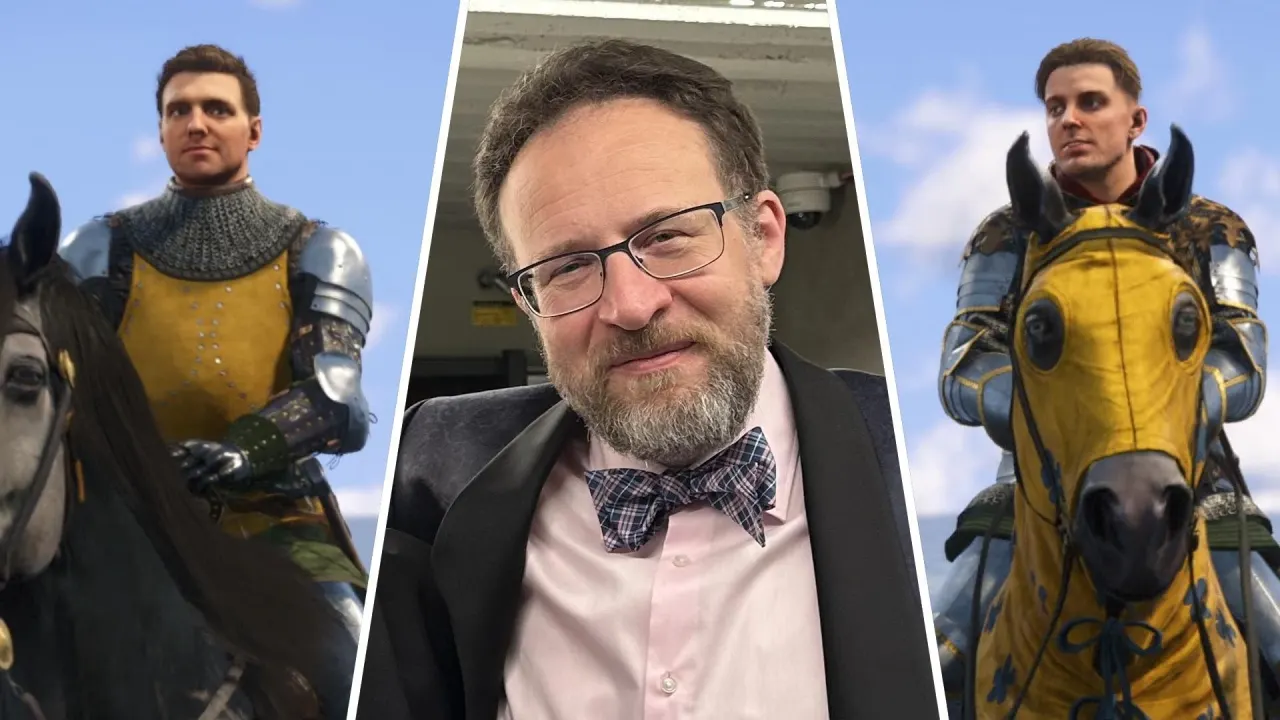
Warhorse Studios’ co-founder discusses the company’s 15-year history and the continuing demand for “grown-up” role-playing games, particularly those pursuing realistic settings and mature themes. He also considers how artificial intelligence may affect game development, arguing that the industry faces broader questions about creativity, value and the sustainability of current business models.
The interview places Warhorse’s work in the context of its success with historically grounded RPGs, while questioning whether games are priced too cheaply given their production costs and the time players spend with them. It also explores the co-founder’s personal involvement in the collapse of communism, linking his political experiences to the values and themes reflected in his career.
In short
- Warhorse marks 15 years of making mature, historically grounded RPGs.
- Its co-founder discusses AI, game pricing and the industry’s future.
- The interview also covers his role in communism’s collapse.
Explained simply
Warhorse Studios is a Czech video game company best known for role-playing games set in carefully recreated historical worlds. Role-playing games let players shape a character and make choices as they move through a story; some are designed for adult audiences and explore violence, politics or other mature themes.
The interview’s co-founder connects the studio’s history with questions about how games are made and paid for. Game development can take years and involve large teams, while artificial intelligence may change parts of that work; the debate is about how to balance new tools, creative work and the price players pay.
The co-founder also recalls his involvement in the events surrounding the end of communist rule in Czechoslovakia. That history provides personal context for his views and for the political and historical themes found in the studio’s games.