World news and discussion on TalkFuse.
Forget Blockbuster Movies, Big Franchises Need To Focus on Video Games
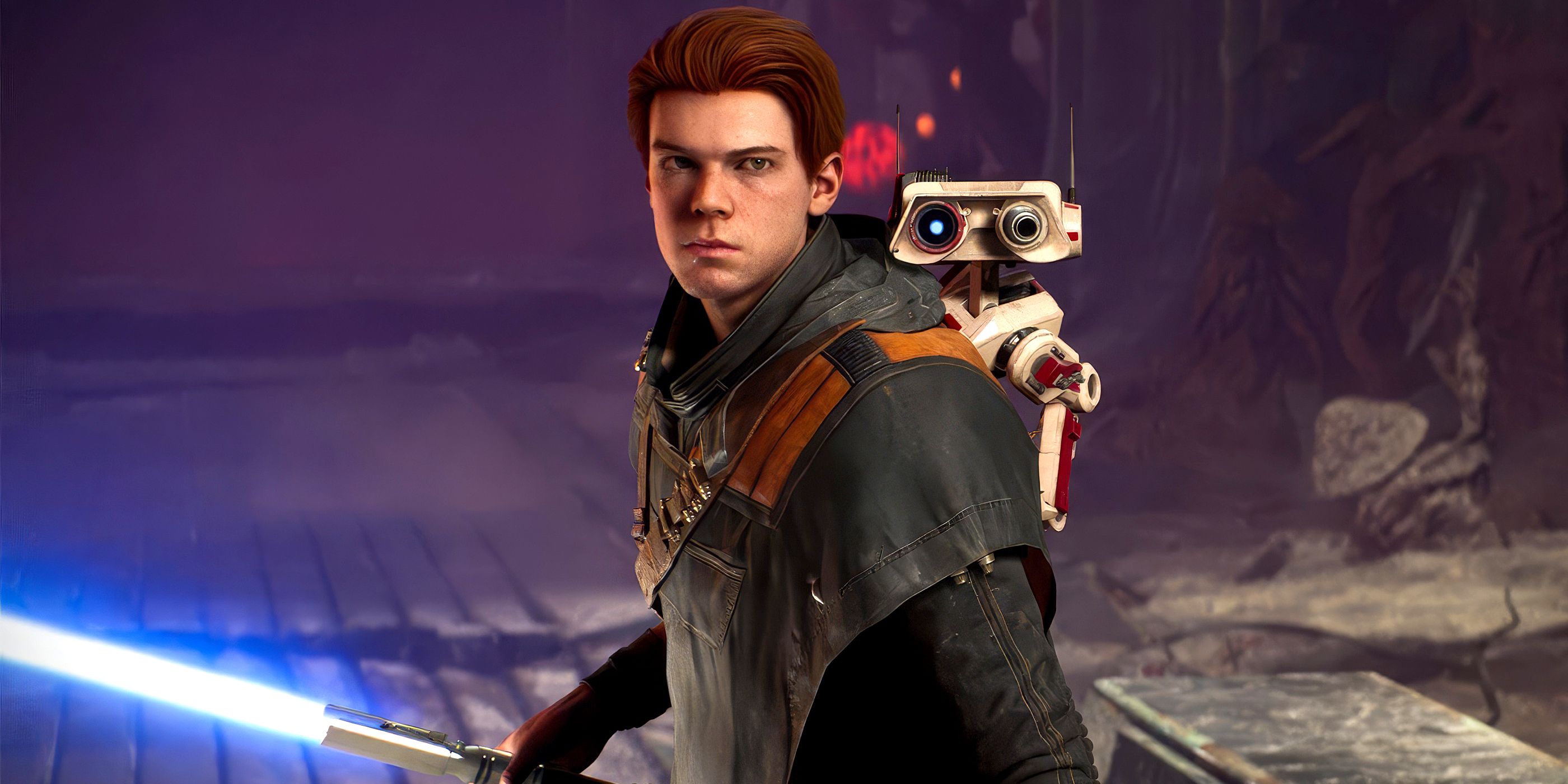
An opinion piece from Collider argues that after a string of poorly received summer 2026 franchise films — including The Mandalorian and Grogu, Supergirl and Masters of the Universe — big studios should shift their focus away from blockbuster movies and towards video games as the primary way to keep major IPs like Star Wars, Harry Potter and DC alive. The writer contends that audience fatigue with formulaic, IP-driven films and TV spin-offs is signalling a need for change, and that video games offer a better creative outlet for expanding these fictional universes without damaging the underlying brands further.
The piece points to titles such as Hogwarts Legacy as evidence that games can deepen a franchise's world-building and immersion in ways film cannot, partly because games are not bound by a fixed runtime and can offer dozens or even hundreds of hours of engagement. It contrasts this with the struggles of recent tentpole films, while noting that original and nostalgic non-franchise releases, such as Backrooms, Obsession and The Devil Wears Prada 2, have performed strongly with critics and audiences. The author suggests franchises should treat video games as a primary storytelling vehicle rather than a secondary tie-in product.
In short
- Summer 2026 saw multiple big franchise films underperform or flop.
- Writer argues franchises should prioritise video games over films.
- Cites Hogwarts Legacy as proof games can deepen IP world-building.
Steelman: both sides, in good faith
The strongest fair case each way — we don't pick a winner.
The case for
Franchise films face demonstrable audience fatigue, with recent tentpole releases underperforming commercially and critically, risking brand damage through oversaturation. Video games offer fundamentally different creative possibilities, providing hundreds of hours of immersive engagement where players actively participate in world-building, compared to the fixed 2-3 hour format of films. Examples like Hogwarts Legacy prove games can drive massive cultural and commercial engagement whilst deepening a franchise's universe in ways films cannot. For studios seeking to preserve and expand major IPs, games represent a less-saturated medium where audiences remain hungry for innovative experiences.
The case against
Film remains the primary vehicle for reaching mainstream audiences and creating the cultural moments that drive entire franchise ecosystems, including merchandise, theme parks and media presence. The film infrastructure is proven and established with clear revenue models, whereas game development requires different expertise and carries substantial financial risk. Recent franchise film struggles likely reflect execution problems rather than inherent format failure—better creative direction could restore audience appetite. Games face their own quality and adaptation challenges, whilst films remain the essential driver of global awareness and franchise discussion that ultimately benefits all associated media.
Explained simply
Film studios own or licence entertainment franchises such as Star Wars, Harry Potter and DC, and have often used films and television series to introduce new stories and characters. Video games are another way to explore these fictional worlds, letting players take part in events rather than only watch them.
Hogwarts Legacy, a game set in the Harry Potter universe, showed how players can spend time exploring a franchise’s setting and stories. Games can offer much longer experiences than films, though they use different forms of storytelling and reach audiences in different ways.
The debate matters because major franchises are valuable to studios, but audiences may tire of familiar stories and repeated spin-offs. How studios choose to develop these worlds could affect what kinds of stories get made and how audiences encounter them.
Americas Celebrity Entertainment Film Gaming World