Politics news and discussion on TalkFuse.
Forget Brexiteers and Remainers. Which of the these Brexit tribes do you fall into?
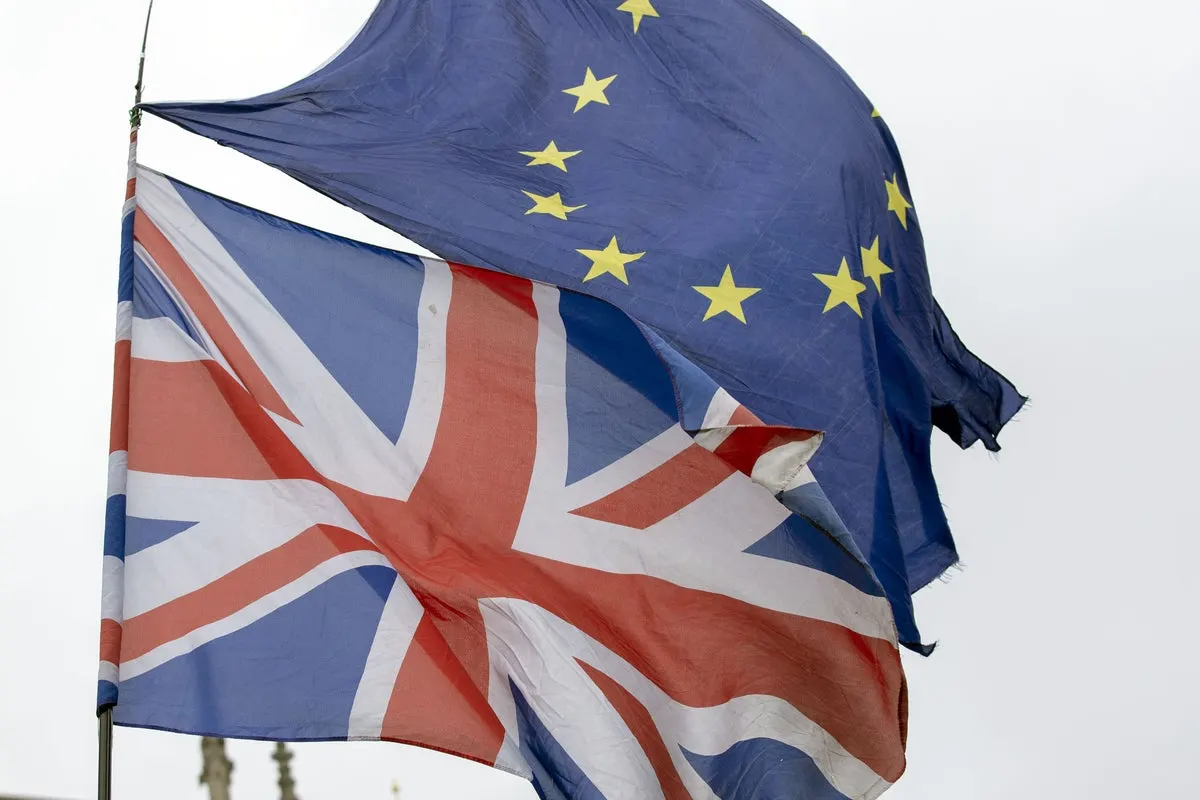
Research suggests the old Remainer and Brexiteer labels no longer explain British attitudes to the EU as well as they once did. A study identifies three groups, most of whom favour closer ties, as the government considers options for strengthening the UK’s relationship with the bloc.
The European Council on Foreign Relations based its categories on polling: 28 per cent are “Optimists”, 35 per cent “Realists” and 27 per cent “Loners”. Optimists broadly favour rejoining, while Realists support closer ties but weigh the costs and benefits; Loners prefer the current arrangement or greater distance. Researchers cite changes in the electorate and global politics, alongside disappointment with Brexit: two thirds of Leave voters now want closer relations with Europe.
In short
- Researchers identify three newer groups in UK attitudes to Europe.
- Optimists and Realists together make up 63 per cent.
- Two thirds of Leave voters now want closer EU ties.
Steelman: both sides, in good faith
The strongest fair case each way — we don't pick a winner.
The case for
The old Remainer–Brexiteer divide may no longer capture how people think about the UK’s relationship with Europe. The study’s categories recognise that many former Leave voters now favour closer ties, while distinguishing those who want to rejoin from those who prefer a more cautious, cost-conscious approach.
The case against
The new labels may give a simplified picture of views that remain varied and sensitive to how questions are framed. Favouring closer relations does not necessarily mean support for rejoining or for any particular policy, and polling categories may obscure the reasons people chose to leave or remain.
Explained simply
The UK left the European Union in 2020 after the 2016 referendum, in which voters narrowly chose to leave. Since then, the country has had its own rules for trade and immigration, while maintaining agreements with the EU on areas such as commerce and security.
The European Council on Foreign Relations is a research organisation that studies European politics and foreign policy. Its groups describe different views on how closely the UK should work with the EU: some favour rejoining, some want closer links while considering the costs, and others prefer the current arrangement or more distance.
These views matter as the government weighs the UK’s future relationship with the bloc. The debate affects practical questions such as trade, travel and cooperation, and is shaped by how people assess the results of leaving.
Elections Europe Politics UK World