Culture news and discussion on TalkFuse.
Forget politics. This is what I found helping Venezuelan quake victims
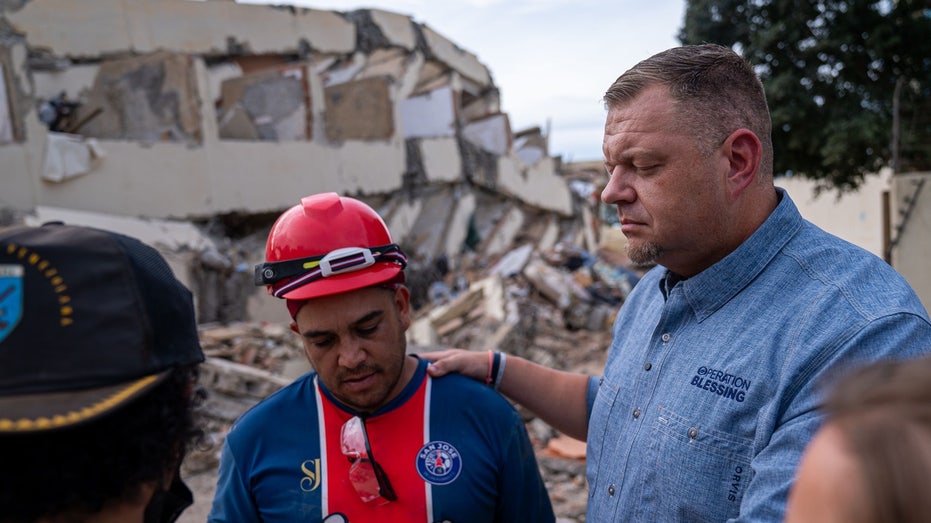
In this opinion piece, Drew Friedrich, president of the humanitarian group Operation Blessing, reflects on travelling to Venezuela after deadly earthquakes and says the experience challenged his assumptions about the country. He argues that, despite Venezuela’s political and economic troubles, the disaster response showed ordinary people acting with resilience and generosity, and that humanitarian aid should focus on victims rather than political disputes. The piece matters because it frames disaster relief as a moral issue and makes a case for separating compassion for civilians from judgments about their government.
Friedrich says he expected to encounter suspicion and dysfunction, but instead saw local people leading much of the response. He describes taxi drivers travelling 10 hours to volunteer, families who had lost their own homes helping others clear rubble, and churches distributing emergency supplies and tens of thousands of hot meals. The article sits alongside reporting that more than 2,200 people were killed in back-to-back earthquakes and that one 43-year-old security guard was rescued after eight days under the rubble. It ends with an appeal for readers to volunteer, support church efforts or donate through trusted relief organisations.
In short
- Opinion writer says Venezuelan quake relief transcended politics
- Locals were portrayed as leading much of the response
- The piece urges compassion and continued humanitarian support
Steelman: both sides, in good faith
The strongest fair case each way — we don't pick a winner.
The case for
Friedrich's position emphasises that disasters transcend politics and reveal universal human values. Ordinary Venezuelans demonstrated remarkable self-organisation – taxi drivers travelling vast distances to volunteer, families helping neighbours despite losing their own homes, churches mobilising emergency supplies and thousands of hot meals. When lives are at stake, political judgement should be suspended and aid should flow based on need alone, in support of both the vulnerable and the local heroes already helping them. Humanitarianism divorced from geopolitical disputes is the only ethical response to catastrophe.
The case against
A contrasting view argues that compassion and political context cannot be fully separated. Venezuela's governance failures and institutional weakness directly contributed to the disaster's severity, and the reliance on informal networks rather than functional systems reflects deeper structural problems. Celebrating ordinary Venezuelans' heroism is entirely appropriate, but ignoring how government mismanagement enabled the crisis risks perpetuating the conditions that created it. Effective aid requires engaging with political and accountability realities, not simply bypassing them in pursuit of good intentions.
Explained simply
Venezuela experienced devastating earthquakes that killed more than 2,200 people, compounding the country's existing political and economic troubles. This opinion piece reflects on the humanitarian response to those disasters and makes an argument about how aid organisations and donors should approach such crises. The article matters because it raises questions about whether compassion for disaster victims should be separate from broader political judgments about their government.
Drew Friedrich, president of Operation Blessing, a humanitarian group, travelled to Venezuela after the earthquakes and witnessed the disaster response firsthand. Rather than finding the dysfunction he expected, he encountered ordinary Venezuelans leading much of the relief effort—taxi drivers volunteering after long journeys, families who had lost their own homes helping clear rubble, and churches providing meals and supplies to those in need.
Friedrich's underlying argument is that humanitarian aid should focus on helping people in crisis rather than becoming entangled in political disputes. He contends that the resilience and generosity shown by Venezuelans during the disaster demonstrates why separating emergency relief from political disagreement matters in practice.