World news and discussion on TalkFuse.
Former Gitmo prosecutor likens 9/11 trial delay to ‘Frankenstein’s zombie court’
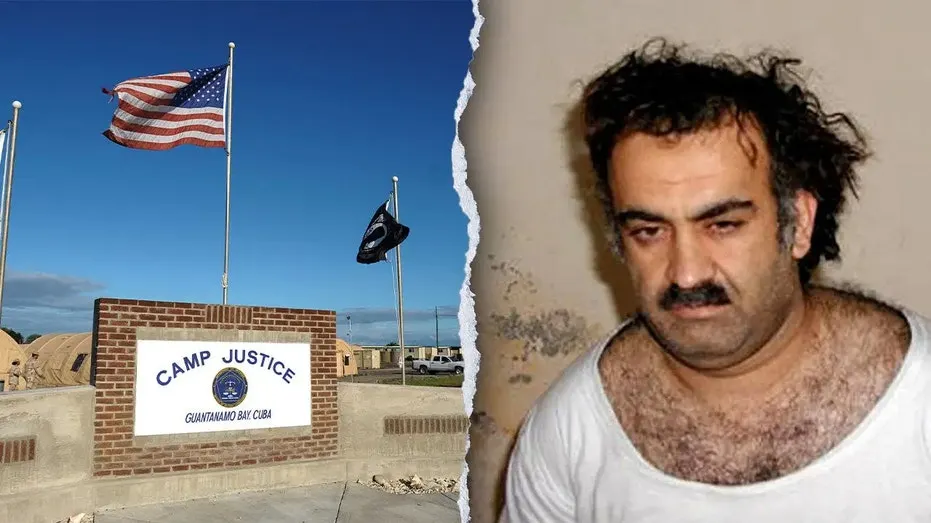
A military judge has scheduled the trial of Khalid Sheikh Mohammed and three alleged co-conspirators over the 11 September attacks for 5 June 2028, extending a case that has remained unresolved for more than two decades. The delay matters particularly to victims’ families, while former Guantánamo prosecutor Michael Lebowitz argues that the military commission system itself, rather than the strength of the evidence, has prevented a timely trial.
Lebowitz described the process as a costly and unwieldy “Frankenstein’s zombie court”, citing frequent travel requirements, limited judicial control and more than 10 judges over the life of the case. Mohammed, Walid bin Attash, Mustafa al-Hawsawi and Ammar al-Baluchi were involved in a 2024 plea agreement for life sentences, avoiding capital punishment, but the Biden administration withdrew it after criticism, leading to further litigation. Prosecutors must also decide whether to seek the death penalty, though Lebowitz said any such sentence would be unlikely to survive appeal.
In short
- The 9/11 military trial is set for June 2028.
- Systemic legal delays have prolonged the case for decades.
- A withdrawn plea deal triggered further litigation.
Steelman: both sides, in good faith
The strongest fair case each way — we don't pick a winner.
The case for
The commissions were created to handle exceptionally grave terrorism cases within a wartime legal framework, while protecting national security and allowing the prosecution to pursue accountability, including capital charges. Supporters could argue that the case’s complexity, disputes over evidence and the reversal of the 2024 plea agreement have contributed to delay, and that careful proceedings are essential where the charges carry the possibility of death.
The case against
After more than two decades without a trial, the commissions’ repeated changes of judges, logistical burdens and limited judicial control support the view that this system has obstructed timely justice. Victims’ families and the public have a strong interest in a credible, durable resolution, and the prospect that a death sentence might be overturned adds to concerns that continuing on the current path could prolong uncertainty without securing final accountability.
Explained simply
The September 11 attacks were a series of coordinated hijackings in the United States in 2001 that killed nearly 3,000 people. Khalid Sheikh Mohammed is accused of planning them; Walid bin Attash, Mustafa al-Hawsawi and Ammar al-Baluchi are also charged in connection with the plot. They are held at the US naval base at Guantánamo Bay, Cuba, and face trial before a military commission, a special court for certain terrorism cases.
The commission case has been under way for more than two decades, with disputes over evidence, legal procedures and whether the accused should face the death penalty. In 2024, the defendants reached plea agreements that would have meant life sentences, but the US government withdrew them after criticism, prompting further legal challenges. The prolonged process has left victims’ families waiting for a trial, and has raised questions about whether this military court can deliver a lasting verdict.