Former banker’s Hampshire wellness ventures face neighbours’ planning objections
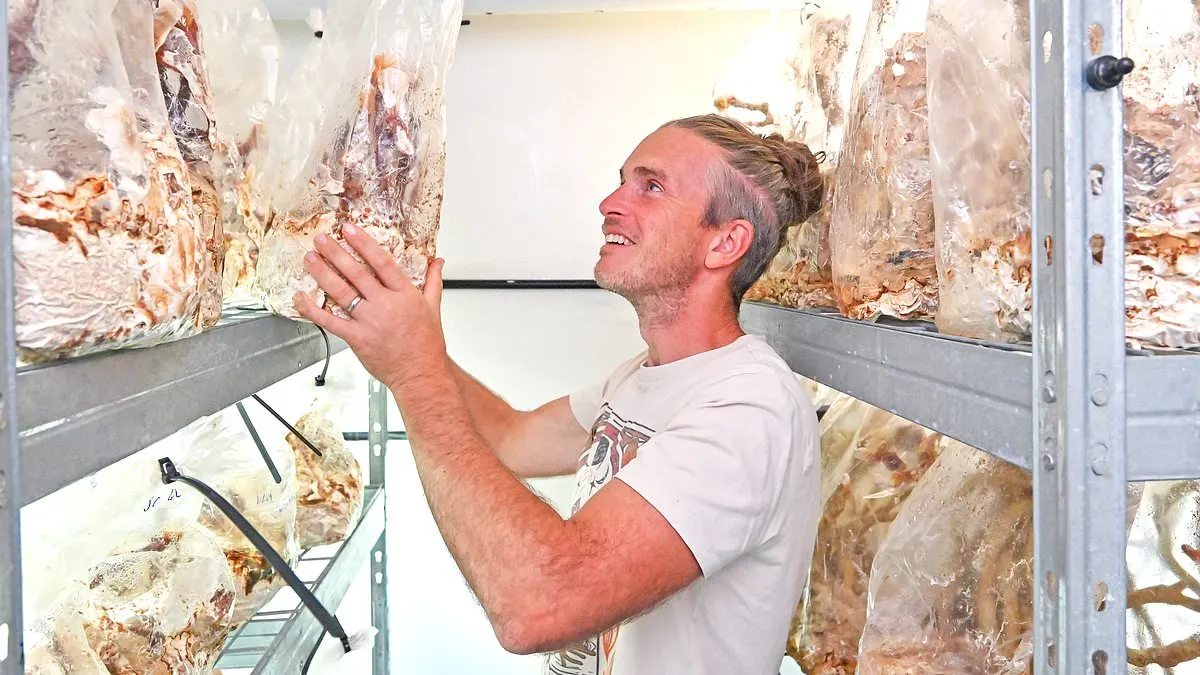
A former London banker, Jon Wright, relocated to Hampshire during the pandemic to establish multiple wellness businesses on agricultural land, including a mushroom cultivation venture, sauna, and forestry school. The 44-year-old and his wife Holly now face a planning dispute after neighbours objected to their operations, dismissing the mushroom business as a "hobby" rather than a viable livelihood and complaining of increased traffic.
The Wrights' 2023 planning application was rejected despite receiving over 30 letters of support, and they have since submitted a retrospective application to Winchester City Council. Neighbours argue there is no justification for them to live on the rural land, citing vehicle traffic and questioning the financial viability of Myndful Mushrooms, which cultivates functional mushrooms like Lion's Mane and Reishi for health benefits. The family, who live in a geodesic dome on the site and homeschool their daughter, argue they need to remain on the land to sustain their businesses.
- Former banker's mushroom wellness business faces planning row with rural neighbours
- Neighbours call venture a "hobby", cite traffic concerns and question its viability
- Family submitted retrospective planning application to continue living and working on land
New here? Start with this
A former London banker called Jon Wright and his wife Holly moved to Hampshire during the pandemic to establish wellness businesses on agricultural land. Their ventures include cultivating mushrooms for health benefits, operating a sauna facility, and running a forestry school. The family live in a geodesic dome on the site and homeschool their daughter.
Neighbours have objected to the operations, claiming the mushroom business is not a genuine commercial enterprise and complaining about increased traffic. The Wrights' planning application was rejected in 2023 despite receiving over 30 letters of support. Local residents assert there is no justification for the couple to live on rural agricultural land.
The core disagreement concerns agricultural land use. The Wrights maintain they need to live on the property to sustain their businesses, while neighbours argue this does not justify residential use of farmland. The planning dispute remains unresolved.
Both sides, in good faith
The strongest fair case each way — we don't pick a winner.
The case for
The Wrights operate genuine agricultural enterprises—mushroom cultivation is legitimate value-added farming, and a forestry school represents rural diversification that strengthens local economies. Over 30 letters of support indicate community backing, and residential occupation on-site may be necessary for managing intensive operations like mushroom cultivation, which requires monitoring and careful environmental control. Rural businesses increasingly rely on such integrated models, and planning policy generally supports agricultural diversification and rural entrepreneurship.
The case against
Agricultural land designations exist to prevent gradual urbanisation and protect finite resources, and a retrospective application suggests the Wrights proceeded without proper consent. Functional mushroom cultivation serves a niche wellness market of questionable financial viability compared to traditional farming, and the necessity for residential occupation remains unproven—many agricultural operations succeed without on-site living. Neighbours' concerns about increased traffic and cumulative development impacts are legitimate planning considerations that should not be overridden by support letters alone.
Read the full article at the source →
Originally published by Daily Mail as “Former London banker who moved to countryside to run mushroom wellness centre is at war with neighbours in planning row over business”.