Former MI5 chief warns Burnham he can’t pit international aid against defence spending
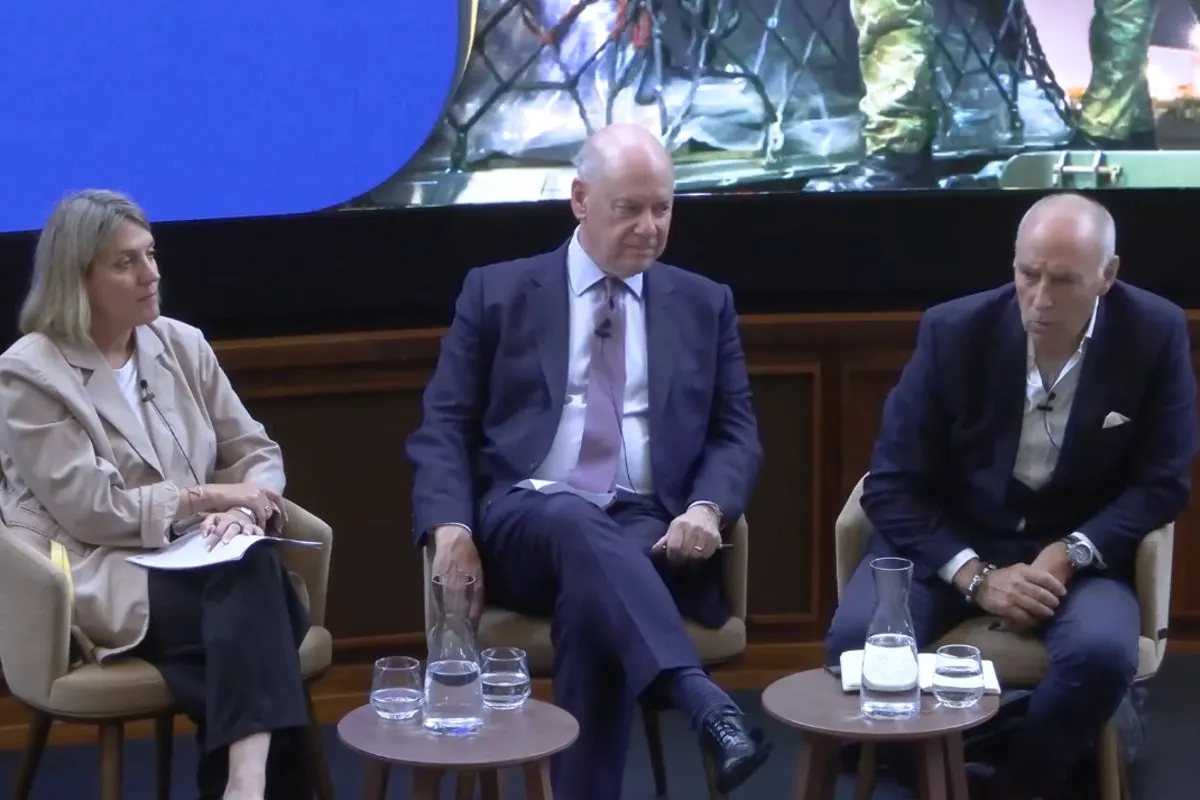
Former MI5 director general Lord Jonathan Evans has urged Andy Burnham to treat international aid and defence as connected parts of national security, rather than cut aid to fund higher defence spending. He argued that aid can help maintain stability and alliances, and that weakening it may create greater problems for the UK later.
The UK plans to reduce aid spending from 0.5 per cent to 0.3 per cent of gross national income over the coming years. Evans called for limited aid funds to prioritise preventing conflict, saying the aid-funded part of the Integrated Security Fund is set to fall from £343 million in 2024-25 to £194 million in 2026-27. He said conflict and poverty often overlap, citing Sudan and Syria as examples.
- Evans says aid and defence should be considered together.
- He favours early conflict prevention over responding after crises.
- Aid-funded conflict prevention is due to fall to £194 million.
Both sides, in good faith
The strongest fair case each way — we don't pick a winner.
The case for
Aid and defence can support the same security goals: well-targeted assistance may reduce conflict risks, strengthen partnerships and address instability before it threatens the UK. Cutting aid to expand defence could therefore create future costs or leave crises harder to manage, especially if funding for conflict prevention falls sharply.
The case against
With limited public funds and heightened military threats, the government may reasonably prioritise defence capabilities that protect the UK and meet immediate commitments. Aid budgets should also be scrutinised for effectiveness, and a lower overall aid share could be defended if resources are redirected to defence or concentrated on programmes judged to have the clearest security and humanitarian impact.