Reform UK slams neo-Nazi convict’s Tory advisory role after candidacy exit
Developed over time first seen 2 months ago
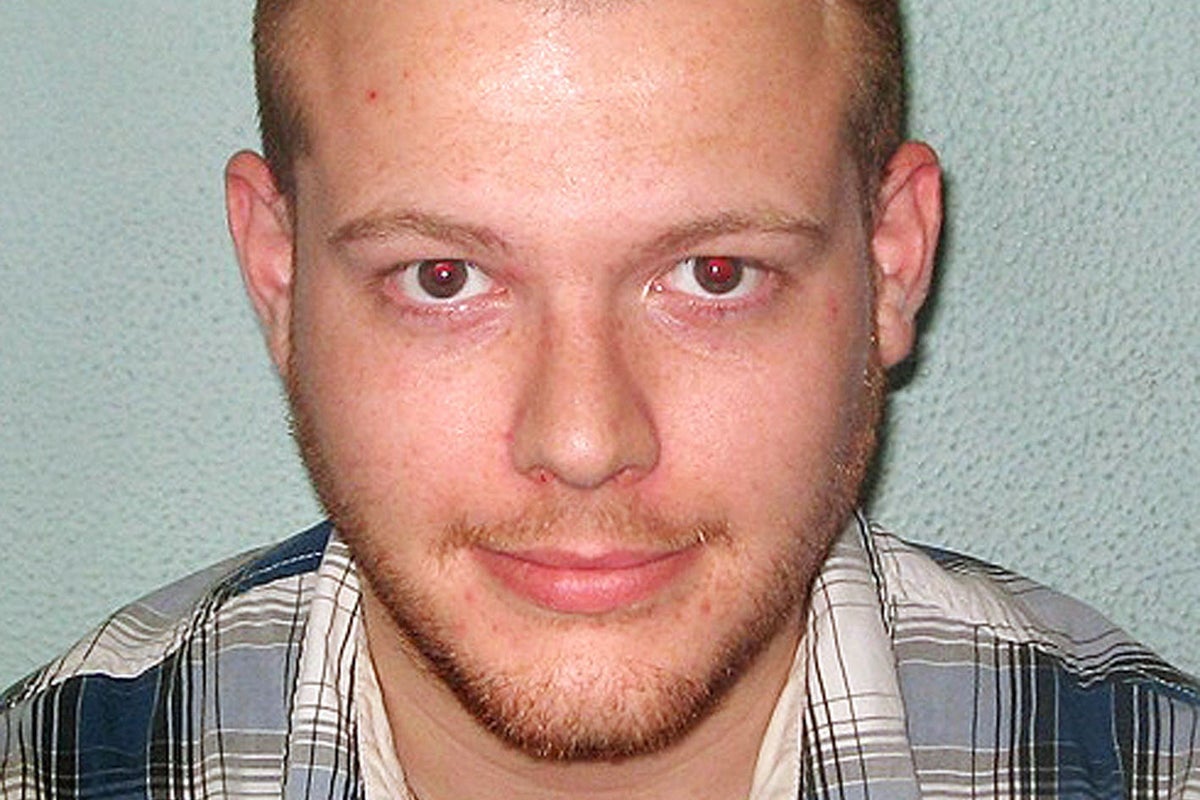
Joshua Bonehill-Paine, a former neo-Nazi activist with a string of convictions including the racially aggravated harassment of Jewish former MP Luciana Berger, withdrew as a Conservative candidate for next year's Somerset local elections following a backlash over his selection. He said his past continued to "cause pain in the Jewish community" but criticised other parties for focusing on his history rather than his current work, and revealed that Conservative leader Kemi Badenoch had offered him a new role advising the party's Culture and Integration Commission on the radicalisation of young men. The episode drew sharp criticism, with Reform UK saying it "beggars belief" that he had been given an advisory post, and Berger calling the appointment "an insult" to his victims.
Bonehill-Paine had been selected to stand in Crewkerne South before standing down, and was previously jailed over antisemitic abuse of Berger and for producing a neo-Nazi rally advert referencing Auschwitz. Badenoch initially defended his candidacy despite the Board of Deputies and the Jewish Leadership Council rejecting her offer of a meeting with him, and said afterwards she was "sad" about his withdrawal but "glad" he would continue working with the party in the new advisory capacity. Bonehill-Paine, who now runs a political satire social media account, has said he is dedicated to "challenging the wave of hatred British Jews continue to face."
- Ex-neo-Nazi Joshua Bonehill-Paine quits as Tory council candidate after backlash
- Badenoch instead makes him an adviser on radicalisation of young men
- Reform UK and Jewish groups condemned the appointment as inappropriate
New here? Start with this
Joshua Bonehill-Paine is a former neo-Nazi activist who was chosen to stand as a Conservative candidate in next year's local council elections in Somerset, before withdrawing amid criticism of his selection. He has past criminal convictions, including one from 2016 for a hate campaign against Luciana Berger, a Jewish MP at the time, and he was separately jailed over anti-Semitic material linked to a neo-Nazi rally.
His selection prompted objections from Jewish organisations, including the Board of Deputies of British Jews and the Jewish Leadership Council, who felt it should not have gone ahead. Conservative leader Kemi Badenoch had initially backed the choice, saying she believed he had reformed, though she has said she would not support him standing for Parliament.
The story matters because it raises questions about how political parties vet candidates, how much weight past extremism should carry against claims of rehabilitation, and how parties balance those concerns against concerns raised by affected communities.
Both sides, in good faith
The strongest fair case each way — we don't pick a winner.
The case for
Supporters of giving Bonehill-Paine a route back into public life argue that genuine rehabilitation should count for something, and that a society which never allows former extremists to demonstrate changed views risks entrenching radicalisation rather than reducing it. They note he served his sentence, has publicly distanced himself from his past, and that his insight into how young men are drawn into extremism could be genuinely useful to a commission tasked with understanding and countering that process. On this view, Kemi Badenoch's willingness to offer him an advisory role, while stopping short of allowing him to stand for Parliament, reflects a considered judgement rather than indifference to the harm he caused.
The case against
Critics argue that some histories are too serious, and too recent in their impact, for the individuals involved to be handed any platform or role within a mainstream political party, however limited. They point to the specific and personal nature of his hate campaign against a sitting Jewish MP, the continuing distress this causes the Jewish community, and the refusal of representative bodies such as the Board of Deputies and the JLC even to meet him as evidence that trust has not been rebuilt. From this perspective, appointing him to advise on radicalisation, rather than distancing the party from him entirely, sends a troubling signal about how seriously such convictions are being taken, regardless of the sincerity of his stated remorse.
More coverage
Art Culture Elections Politics
Read the full article at the source →
Originally published by The Independent as “Former neo-Nazi activist withdraws as Tory local election candidate after backlash”.