Video games news, releases, esports and culture — all the biggest gaming stories in one place.
Former Ultima Online lead says MMOs are “finally free of the fever dream of imitating World of Warcraft” thanks to Stardew Valley, Animal Crossing, and more
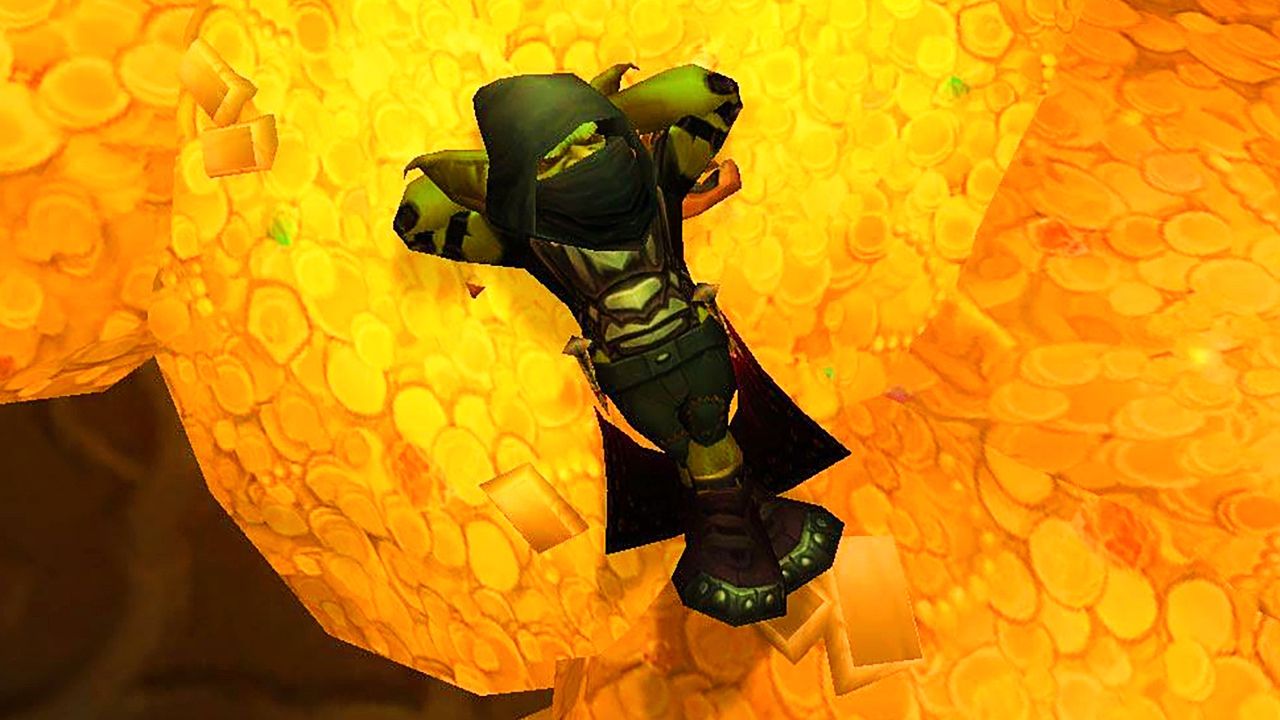
A former lead developer on Ultima Online, one of the earliest and most influential MMOs, has argued that the genre has moved past decades of trying to replicate World of Warcraft's formula. They suggest that newer influences, such as the life-simulation and cosy-game styles seen in Stardew Valley and Animal Crossing, are now shaping how online multiplayer games are designed, rather than the raid-and-quest structure that WoW popularised.
The comments reflect a broader shift in the MMO space, where developers have increasingly looked beyond traditional fantasy questing towards more social, sandbox and community-driven experiences. The full article, sourced from GamesRadar+, was not available in a readable format for this summary, so further specific details or direct quotes from the former Ultima Online lead could not be confirmed.
In short
- Former Ultima Online lead says MMOs have moved on from copying World of Warcraft
- Cites Stardew Valley and Animal Crossing as new design influences
- Signals a broader shift towards cosy, social game styles in MMOs
Steelman: both sides, in good faith
The strongest fair case each way — we don't pick a winner.
The case for
The MMO industry genuinely is moving beyond the single dominant model World of Warcraft established. Successful titles now prioritise different values—community interaction, reduced toxicity, accessible gameplay—that reflect broader gaming trends towards wellbeing. Games incorporating slower paces, social systems, and quality-of-life features have proven commercially viable, suggesting players increasingly reject the endless-progression treadmill in favour of more balanced, humanistic design.
The case against
Whilst the MMO genre has seen incremental diversification, World of Warcraft's foundational formula of quests, dungeons, and raid progression remains the commercial template most MMOs follow. Attributing this shift to cosy games like Stardew Valley misidentifies causation—these are single-player or minimally multiplayer experiences operating in different design spaces from competitive, progression-focused multiplayer games. The notion of wholesale escape from WoW's influence overstates superficial additions to games that remain structurally rooted in those core mechanics.
Explained simply
Ultima Online was an early online role-playing game where many players shared a persistent world. World of Warcraft later became a major model for the genre, with structured quests, character progression and large group raids.
Some newer multiplayer games draw more on life simulations such as Stardew Valley and Animal Crossing, which centre on everyday activities, socialising and building a community. This points to a wider range of ways to design online worlds and gives players alternatives to the traditional quest-led format.