Founder of China’s Evergrande jailed for life after pleading guilty to fraud
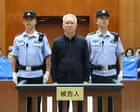
Hui Ka Yan, the founder of Chinese property giant Evergrande, has been sentenced to life in prison and stripped of all his personal property after pleading guilty to fraud. Once ranked by Forbes as China's richest person, with a net worth of $42.5bn in 2017, Hui's conviction marks the culmination of a debt crisis at his company that came to symbolise the broader troubles engulfing China's property sector and, by extension, its wider economy.
Hui, 67, admitted eight charges in April, including misuse of funds, fundraising fraud, illegally taking public deposits, fraudulently issuing securities and bribery. A Shenzhen court found that between 2016 and 2021 he had orchestrated "sustained, large-scale financial fraud" to inflate assets and conceal liabilities, and fined Evergrande Group 8.8bn yuan (£950m) and its property arm a further 7bn yuan. More than 50 other individuals linked to the firm received sentences ranging from 20 months to 18 years. Evergrande, which has defaulted on most of its $300bn in liabilities and delisted from Hong Kong's stock exchange last year, was central to a sector-wide crisis triggered by 2020 government debt curbs, which one study estimates cost the Chinese economy $347bn.
- Evergrande founder Hui Ka Yan jailed for life over large-scale financial fraud
- Company fined nearly £1bn; over 50 associates also sentenced
- Case underscores China's ongoing property sector debt crisis
New here? Start with this
Evergrande was one of China’s biggest property developers, building homes and other projects with money borrowed from banks and raised from buyers. Its founder, Hui Ka Yan, became one of the country’s wealthiest people as the company expanded.
Chinese authorities introduced limits on how much property companies could borrow in 2020. Evergrande struggled to repay its debts, leaving unfinished homes and losses for creditors and investors; its difficulties became a prominent example of wider strains in China’s property industry.
The property sector matters because it is closely tied to jobs, household wealth and economic activity in China. Evergrande’s collapse has therefore raised questions about how financial problems at large developers affect homebuyers, lenders and the wider economy.
Both sides, in good faith
The strongest fair case each way — we don't pick a winner.
The case for
The life sentence reflects both the scale and deliberateness of Hui's fraud, which involved eight distinct criminal schemes over five years to deceive investors and conceal massive liabilities, causing billions in direct losses and contributing to a broader economic crisis. Holding the wealthy and powerful accountable through meaningful punishment is essential for financial system integrity, public confidence in institutions, and deterring future misconduct of this scale.
The case against
Whilst Hui's sustained fraud across multiple schemes clearly merits serious punishment, the life sentence may be disproportionate—financial fraud sentences typically range from years to decades in comparable legal systems—and focusing exclusively on individual accountability risks overlooking systemic failures. The property sector's collapse resulted from inadequate regulation, misaligned government incentives, and flawed policy responses; ensuring accountability must address these structural issues to prevent future crises.