Evergrande founder Hui Ka Yan jailed for life
Developed over time first seen 2 months ago
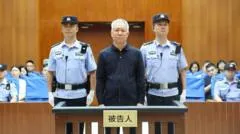
The founder of collapsed Chinese property giant Evergrande, Hui Ka Yan, has been sentenced to life in prison and stripped of all his personal assets, after pleading guilty in April to charges including embezzlement of assets and corporate bribery. A Shenzhen court also fined his former companies a combined 15.82 billion yuan (£1.73bn; $2.35bn) over crimes such as falsifying records and concealing debt, ruling that Hui and his businesses had "seriously disrupted" China's property market and caused significant economic losses. The verdict draws a line under one of the most damaging corporate collapses in modern Chinese history, whose fallout has rippled through investors, domestic banks and the wider economy for years.
Hui, also known as Xu Jiayin, built Evergrande from 1996 into China's largest developer through heavily debt-funded expansion, reaching a stock market valuation of over $50bn and briefly making him Asia's richest person. The company collapsed in 2021 after Beijing's 2020 debt controls exposed its overreliance on borrowing, with pre-sale funds from homebuyers diverted into new developments and leaving hundreds of projects unfinished; it was ordered into liquidation in January 2024 and delisted from the Hong Kong exchange in August 2025 after its valuation shrank by 99%. Hui's two sons and other executives received jail terms of between 22 months and 18 years, and the wider crisis has been blamed for deepening a property slump that continues to weigh on China's economy, an industry once worth around a third of the country's GDP.
- Sources
- 2
- Outlets
- 2
- Left · Centre · Right
- 1 · 1 · 0
In short
- Evergrande founder Hui Ka Yan jailed for life, assets confiscated
- Former companies fined 15.82bn yuan for fraud and hidden debt
- Sons and other executives also jailed as fallout from 2021 collapse continues
How this story developed
- 2 months ago The court named the two jailed sons for the first time as Xu Zhijian and Xu Tenghe, confirming the fuller breakdown of sentences and fines already reported and underscoring that Evergrande's demise is still seen as a key driver of the property slump dragging on China's economy.
- 2 months ago The court disclosed that penalties against Hui's former companies had risen sharply to a combined 15.82 billion yuan, and that Hui and his businesses were found to have "seriously disrupted" the property market, as it emerged that his two sons and other executives were also jailed for between 22 months and 18 years.
- 2 months ago Hui Ka Yan, the disgraced founder of collapsed developer Evergrande, was sentenced to life in prison by a Shenzhen court and had all his personal assets seized after admitting to embezzlement and corporate bribery in April, capping a saga that helped plunge China's property sector into crisis.
Where outlets differ
Left-leaning outlets 1
Only here: chinese, court, sentences, property, developer
Every side used: founder, evergrande, life
Headline columns compared word for word; nothing in them is AI-written.
Steelman: both sides, in good faith
The strongest fair case each way — we don't pick a winner.
The case for
Supporters of the ruling argue that Hui's guilty plea and the scale of the fraud, diverting pre-sale funds meant for construction into new speculative projects while investors, homebuyers and banks bore the losses, justify the severity of the sentence. They see it as a necessary signal that corporate executives cannot hide behind limited liability when they knowingly mislead the public and financial system, and that a life sentence and full asset confiscation properly reflect the scale of harm inflicted on ordinary citizens and the wider economy.
The case against
Others, while not disputing the underlying wrongdoing, raise concerns about proportionality and process, noting that China's courts operate without full judicial independence from the state and that such high-profile prosecutions can serve political as well as legal purposes, including deflecting scrutiny from regulators and banks that enabled the debt-fuelled expansion for years. They argue that concentrating blame on one individual, however culpable, risks obscuring systemic weaknesses in oversight of the property sector that also require accountability.
Explained simply
Evergrande was once China's biggest property developer, built up by Hui Ka Yan (also known as Xu Jiayin) from a single company in 1996 into a business worth more than $50bn, making him briefly Asia's richest person. The firm grew rapidly by borrowing heavily to fund new construction. That model came under strain in 2020 when Chinese authorities introduced new rules limiting how much developers could borrow, exposing how overstretched Evergrande had become.
Evergrande then defaulted on its debts, leaving hundreds of housing projects unfinished across China and shaking confidence in the country's wider property sector, which is a major part of its economy. Investigations found the company had used money paid upfront by homebuyers for construction to fund new developments instead, leaving many buyers and lenders exposed. The company's shares eventually lost almost all their value and were removed from the Hong Kong stock exchange.
Hui was investigated by Chinese authorities and pleaded guilty in April to offences including embezzlement and corporate bribery. The case matters because it is one of the most significant legal reckonings to come out of China's property crisis, and because Evergrande's collapse has had knock-on effects for millions of homebuyers, investors and banks both in China and internationally.
Coverage · 2 sources
Bias meters
From 2 rated sources.
Read the full article at the source →
Originally published by BBC World as “Founder of collapsed Chinese property giant Evergrande sentenced to life in prison”.