Technology news and discussion on TalkFuse.
Maryland students sue over armed response to AI’s false gun alert
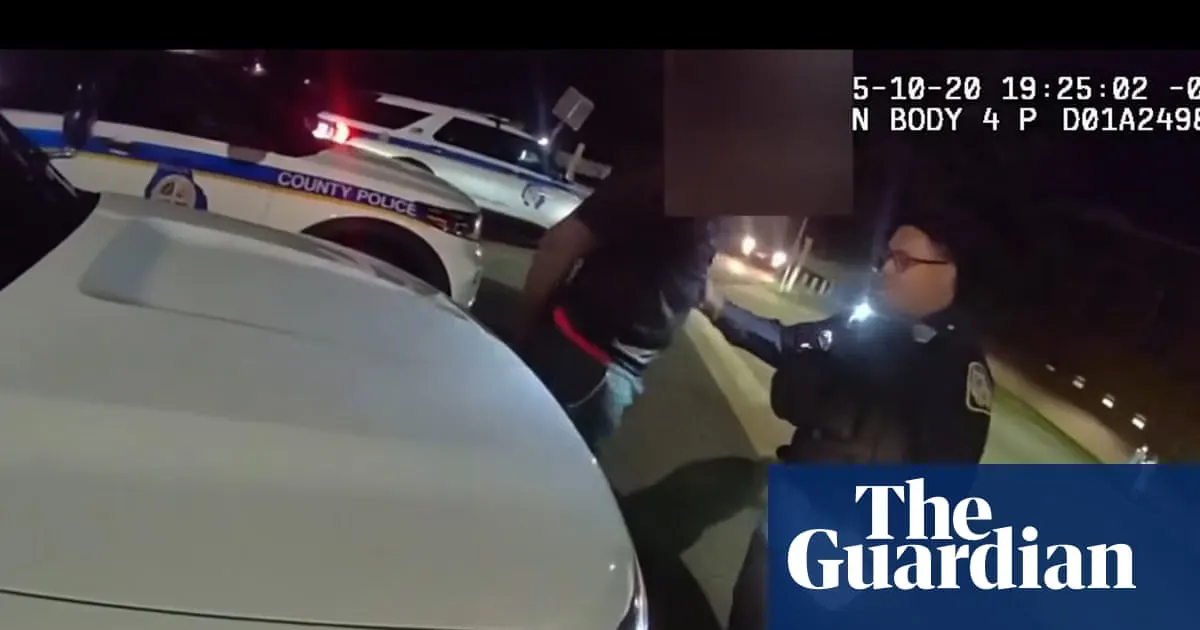
Four current and former Maryland students are suing an AI security company, Baltimore County police and school officials after armed officers detained them when a system mistook a Doritos bag for a gun. The case raises questions about the reliability of school surveillance technology and how adults respond to its alerts.
The incident happened after football practice on 20 October last year, as the students waited for rides home. The lawsuit says Omnilert’s system flagged the bag as a firearm with 90% confidence, even after staff and police reportedly reviewed the image and identified it as a mistake; it also cites a state finding that more than 99% of alerts in the county’s schools were false positives requiring no police response. The students allege unlawful detention and search, and say the episode caused physical discomfort and lasting emotional distress.
In short
- Four students are suing after police detained them over a Doritos bag.
- The AI system reportedly flagged the bag as a gun with 90% confidence.
- The lawsuit cites a finding that over 99% of county alerts were false positives.
Steelman: both sides, in good faith
The strongest fair case each way — we don't pick a winner.
The case for
The students’ case is that an automated alert should not justify an armed intervention when people reviewing the image can see it is a false alarm. If the system produces overwhelmingly false alerts, schools and police have a responsibility to set safeguards that protect pupils from unjustified detention, searches and distress.
The case against
The school and police response can be defended on the grounds that reports of a firearm at a school may demand urgent action, since hesitation could expose pupils and staff to grave danger. Officials may argue that security systems are intended to flag possible threats for human assessment, and that the legality of the detention and search should be judged in light of the information available to responders at the time.
Explained simply
Schools use security systems to identify possible threats and alert staff or police. Some systems use artificial intelligence to analyse camera images, but an alert is a signal for people to assess, not proof that a weapon is present.
Omnilert is the company named in the case; the other defendants include Baltimore County police and school officials. The students’ claims concern both how the system interpreted an image and how adults acted on its alert.
The case matters because schools and public bodies are weighing security technology against the risks of mistaken alerts. It also raises questions about who is responsible when an alert leads to a police response and how often such systems identify ordinary objects as threats.
Read the full article at the source →
Originally published by The Guardian as “Four Maryland high school students sue after AI mistakes Doritos bag for gun”.