Politics news and discussion on TalkFuse.
Four States Just Passed Voter ID. What’s Stopping The Rest?
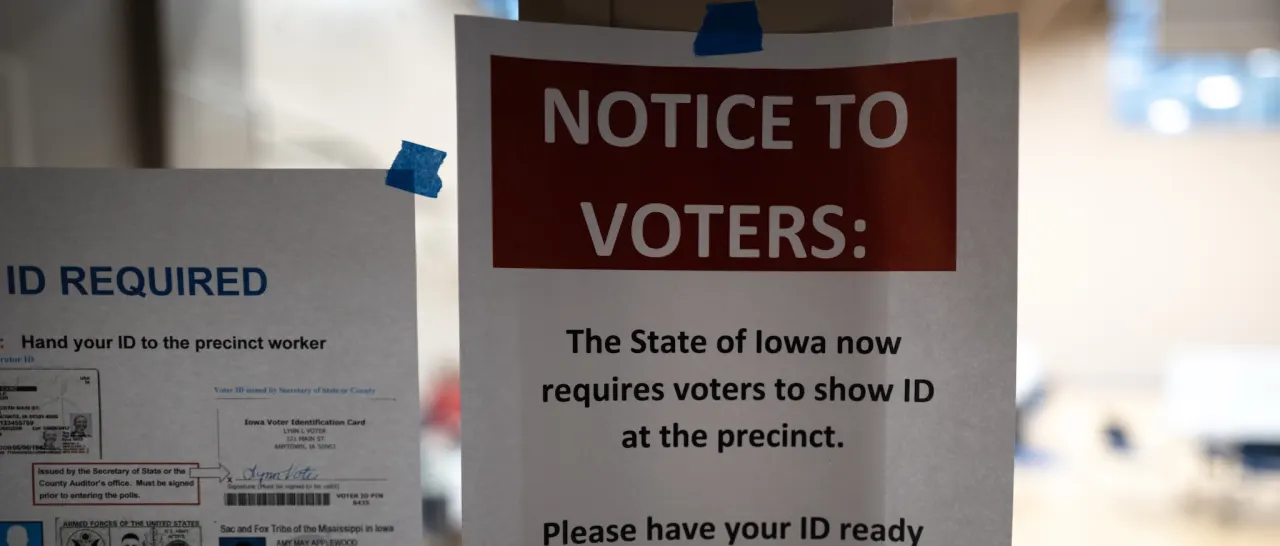
Voters in Nevada, North Carolina, Ohio and Oklahoma approved constitutional changes requiring voter ID, including in three states where Democrats also won statewide elections. The opinion article argues that the results show broad public support and that lawmakers who have delayed action should pursue state-level reforms.
It cites reported approval of about 62.3 per cent in Nevada, 60 per cent in North Carolina and 66 per cent in Ohio; the article gives no percentage for Oklahoma. It also points to Pew polling that found 83 per cent of Americans support government-issued photo ID for voting, while 36 states required some form of voter ID as of 2025. The authors say federal action is unlikely after the SAVE America Act stalled in the Senate, and note that similar ballot measures have failed in California, Colorado and Arizona.
In short
- Four states approved constitutional voter ID changes.
- The article says support crosses party lines.
- The authors urge more state-level efforts.
Steelman: both sides, in good faith
The strongest fair case each way — we don't pick a winner.
The case for
Supporters argue that voter ID is a straightforward safeguard that can strengthen confidence in elections, and that the reported ballot results and polling indicate broad public backing across party lines. With federal legislation stalled and many states already requiring identification, they say states should be able to adopt requirements suited to local circumstances.
The case against
Opponents argue that photo ID requirements can burden eligible voters who lack accepted documents, particularly if obtaining them takes time or money, while the risk of in-person voter impersonation is limited. They say broad support for ID in polling does not settle how a policy works in practice, and that reforms should protect access and be justified by evidence of a real problem.
Explained simply
Voter ID rules set out what identification people must show before they can vote. States have different rules: some require photo ID, while others accept different documents or allow another way to confirm a voter’s identity.
In the United States, states largely set the practical rules for running elections, while the federal government can also pass election laws. Changes to a state constitution usually need voters’ approval, and lawmakers may also be able to change rules through legislation.
Supporters say ID checks can help protect confidence in elections; critics have raised concerns about making voting harder for people who lack accepted identification. The debate matters because the rules affect how voters take part and how elections are administered.