Four young boys are rescued after becoming trapped in a cave on a North Yorkshire cliff face
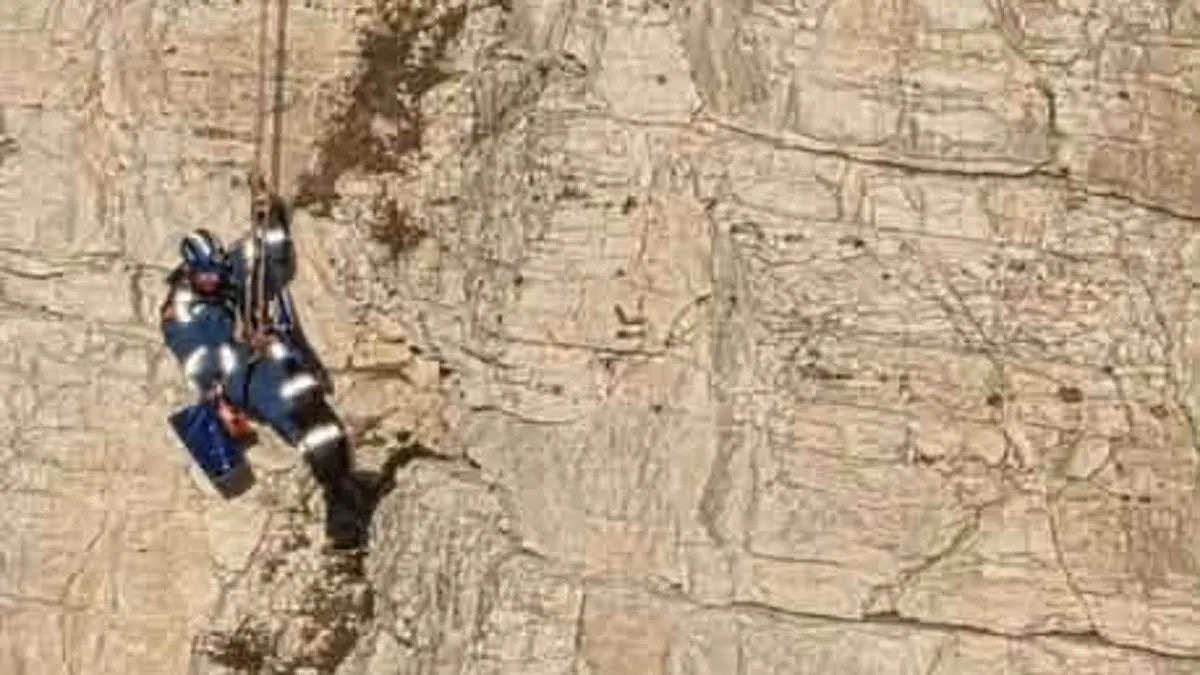
Four young boys have been rescued after becoming trapped in a cave on a cliff face at Thornwick Bay in North Yorkshire on Saturday afternoon. Emergency services, including the Filey Coastguard Rescue Team and Flamborough RNLI, responded rapidly to a 999 call from a witness and worked together to bring all four boys to safety in challenging conditions. This successful multi-agency operation demonstrates the importance of coordinated emergency response in dangerous coastal rescue situations.
When emergency services arrived, one boy had already reached the shore, one was struggling in the water, and two were trapped inside the cave. The RNLI team rescued the boy from the sea and airlifted him via helicopter to ambulance crews. A coastguard team rappelled down the cliff to assess rescue options, but a helicopter extraction was deemed too risky due to overhanging cliffs. As tidal conditions improved, the RNLI team in the water successfully retrieved the two trapped boys from the cave and transferred them to the helicopter for transfer to ambulance care.
- Four boys rescued from cave on North Yorkshire cliff
- Multi-agency emergency response saved all four safely
- Tidal conditions and teamwork proved crucial to success
New here? Start with this
Thornwick Bay is a coastal area in North Yorkshire with high rocky cliffs rising from the sea. The combination of steep terrain, rocky outcrops, and tidal waters creates a naturally hazardous environment where people can quickly become trapped.
Rescuing people from caves or cliff faces along a coastline is particularly challenging because of the interaction between several dangers – tidal movements, rough seas, unstable rock formations, and limited access routes. Emergency services must constantly assess changing conditions and decide between different rescue methods.
Several organisations operate rescue services around Britain's coasts, including local coastguard teams and the RNLI (Royal National Lifeboat Institution). These services are equipped and trained specifically for complex rescues involving water, cliffs, and helicopters, and they coordinate with one another during serious incidents.