Business news and discussion on TalkFuse.
Fox News/NORC Study: Voters look to 2028 focused on the economy
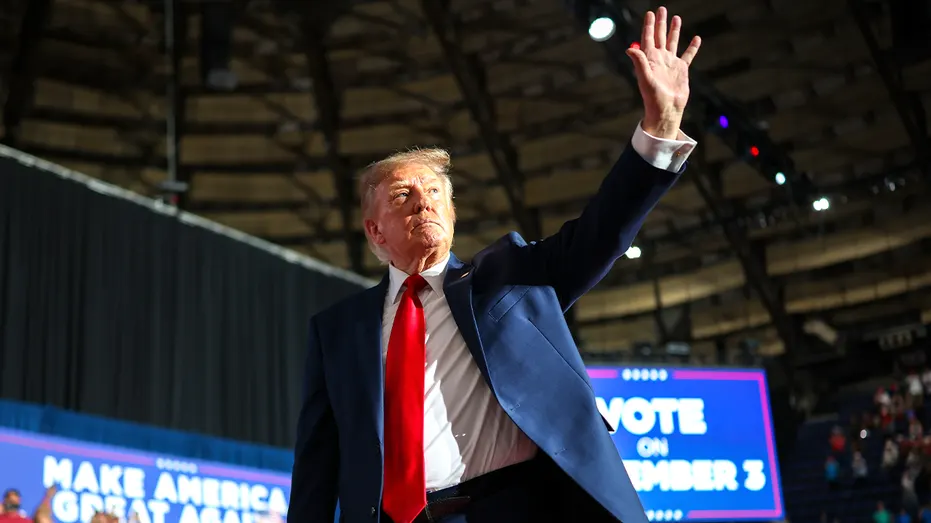
Voters looking towards the 2028 presidential election put improving economic conditions at the top of the country’s priorities. Views on whether the next president should continue Donald Trump’s approach vary sharply by political group, while voters’ own financial circumstances are closely tied to their outlook for the country’s future.
Half of voters want a successor who neither follows Trump’s policies nor copies his style; 26% favour continuing his policies and 12% want both his policies and style carried on. Six in ten voters say they are holding steady financially, around three in ten feel they are falling behind and about one in ten say they are getting ahead. For officials taking office in 2027, grocery costs are the most common priority, named by three in ten voters, followed by gas prices, healthcare and prescription costs.
In short
- Voters put the economy first as they look towards 2028.
- Half want a president who breaks with Trump’s policies and style.
- Grocery costs top voters’ priorities for officials taking office in 2027.
Steelman: both sides, in good faith
The strongest fair case each way — we don't pick a winner.
The case for
Voters who favour carrying forward some or all of Trump’s approach could argue that continuity offers a chance to preserve policies they believe serve their interests, while avoiding disruption as the economy remains the leading public concern. The share who want his policies continued suggests that some distinguish those policies from his personal style and see practical results as more important than a change in political tone.
The case against
Voters who want a successor to take a different course could argue that the cost pressures they face call for fresh economic priorities and a distinct approach to governing. The half who favour neither copying Trump’s policies nor his style may see a clean break as the best way to respond to concerns about affordability and the country’s future.
Explained simply
The US president serves a four-year term and leads the federal government, while Congress makes laws and controls public spending. The 2028 election will choose a successor to Donald Trump, whose presidency and policies have become a point of division among voters.
Economic conditions include the cost of everyday goods, fuel and healthcare, as well as people’s wages and job prospects. Voters’ views of the economy can reflect both national trends and their own household finances, and can shape what they expect from the next president.
The main political groups in the US include Republicans, Democrats and independent voters, who do not identify with either major party. Their differing views on Trump’s record and on household costs help explain why the economy and the next president’s direction are central to the election debate.
Business Economy Elections Politics Research Science World