Fox News Power Rankings: As Iran looms large, can the GOP keep the faithful?
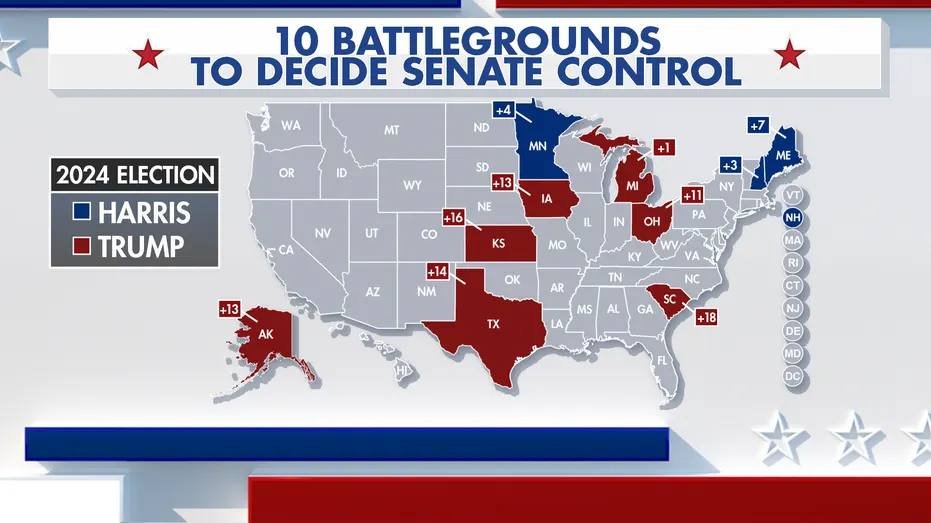
Voters appear to be leaning towards Democrats in House races, while the Senate contest remains uncertain, reflecting how different this year’s electoral maps are. The article argues that President Donald Trump’s falling approval and Democratic advantages on key issues could cost Republicans the House, but a Senate majority depends on whether Republican voters remain loyal and turn out.
Trump’s approval rating fell from 44% in the last poll before the US and Israeli strikes on Iran began in February to 36% afterwards. In an October survey, voters said inflation, gas prices, government leadership and the Iran war were concerns for 85%, 83%, 79% and 75% of them respectively; Democrats led Republicans on handling those issues by 16, 12, 11 and 9 points. Republicans have home-state advantages in several battleground Senate races: Trump won seven of the ten states in 2024, including six by double-digit margins, and Democrats may need to win at least two of those states to reach 51 Senate seats.
In short
- Democrats lead on House polling and several major issues.
- Trump’s approval fell from 44% to 36% after strikes on Iran began.
- The Senate remains a toss-up because Republicans have strong state-level ground.
Steelman: both sides, in good faith
The strongest fair case each way — we don't pick a winner.
The case for
Democrats have a strong case that Republicans face a difficult midterm environment: Trump’s approval has fallen, voters rank economic pressures and the Iran war as major concerns, and Democrats currently lead on handling those issues. Those trends could make it harder for Republicans to hold the House, even if the Senate map gives them some protection.
The case against
Republicans can argue that national polls do not determine every race, and that their Senate candidates benefit from home-state advantages in several battlegrounds where Trump won in 2024. If Republican voters stay loyal and turn out, those advantages could help preserve the Senate majority even as the party faces a tougher contest for the House.
Elections Government Middle East Politics World