World news and discussion on TalkFuse.
French unions and students mobilise over pay, living costs and education
Developed over time first seen 1 day ago
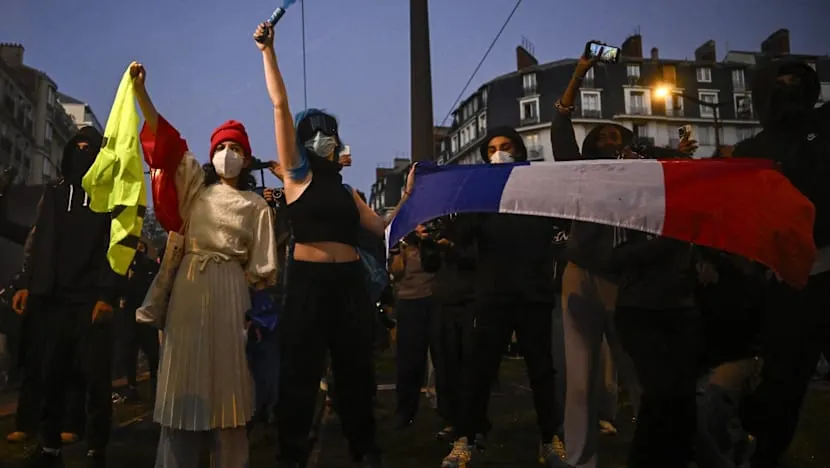
French unions and student groups are holding strikes and demonstrations amid weeks of protests over poor learning conditions, the rising cost of living and inequality. Authorities expect 500,000 to 700,000 people to protest nationwide, with up to 80,000 in Paris, making the mobilisation one of the largest since the 2023 pension reform protests.
Unions are calling for a higher minimum wage, across-the-board pay rises, tax reforms and better conditions for young people. The demonstrations follow serious clashes on 17 October, and allegations of police brutality have prompted internal investigations; 70,000 police and security personnel are being deployed. Paris authorities banned a planned central route from Bastille to Concorde and authorised a route further east, a decision unions have challenged as a restriction on protest rights.
- Sources
- 2
- Outlets
- 2
- Left · Centre · Right
- 0 · 2 · 0
In short
- France expects up to 700,000 people to demonstrate.
- Unions are seeking higher pay and better learning conditions.
- Paris changed a major march route amid debate over protest rights.
How this story developed
- 20 hours ago Paris authorities barred the planned Bastille-to-Concorde march and approved a route further east, prompting unions to appeal over what they said were restrictions on civil liberties.
- 1 day ago The nationwide mobilisation was set for Thursday, bringing labour and youth groups together as unions called for higher wages, tax changes and better student conditions.
- 1 day ago French unions and student groups launched strikes and demonstrations over poor learning conditions, living costs and inequality, with authorities expecting up to 700,000 protesters nationwide and deploying 70,000 security personnel.
Steelman: both sides, in good faith
The strongest fair case each way — we don't pick a winner.
The case for
Authorities can argue that changing the march route is a precaution to protect public safety after serious clashes, while still allowing demonstrators to assemble. With large crowds expected and extensive security forces deployed, directing the march away from central areas may help reduce risks to protesters, residents and public services.
The case against
Unions and civil liberties advocates can argue that restricting a planned route through central Paris limits the visibility and impact of a lawful demonstration, particularly amid public concern about police conduct. They may see the change as part of a wider pattern that risks curbing protest at a time when people are seeking attention for low pay, living costs, inequality and poor conditions for young people.
Explained simply
Trade unions represent workers in negotiations over pay and conditions, and can call strikes to press for changes. In France, unions and students have joined demonstrations amid concerns about living costs, inequality and conditions in education.
The unions are calling for a higher minimum wage, broader pay rises, tax changes and better conditions for young people. The protests have also followed serious clashes and allegations of police brutality, putting public order and the handling of demonstrations in focus.
Coverage · 2 sources
Bias meters
From 2 rated sources.
Read the full article at the source →
Originally published by CNA as “France braces for demonstrations as trade unions strike”.