Business news and discussion on TalkFuse.
France falls into recession after far-left riots break out across country in blow to Emmanuel Macron
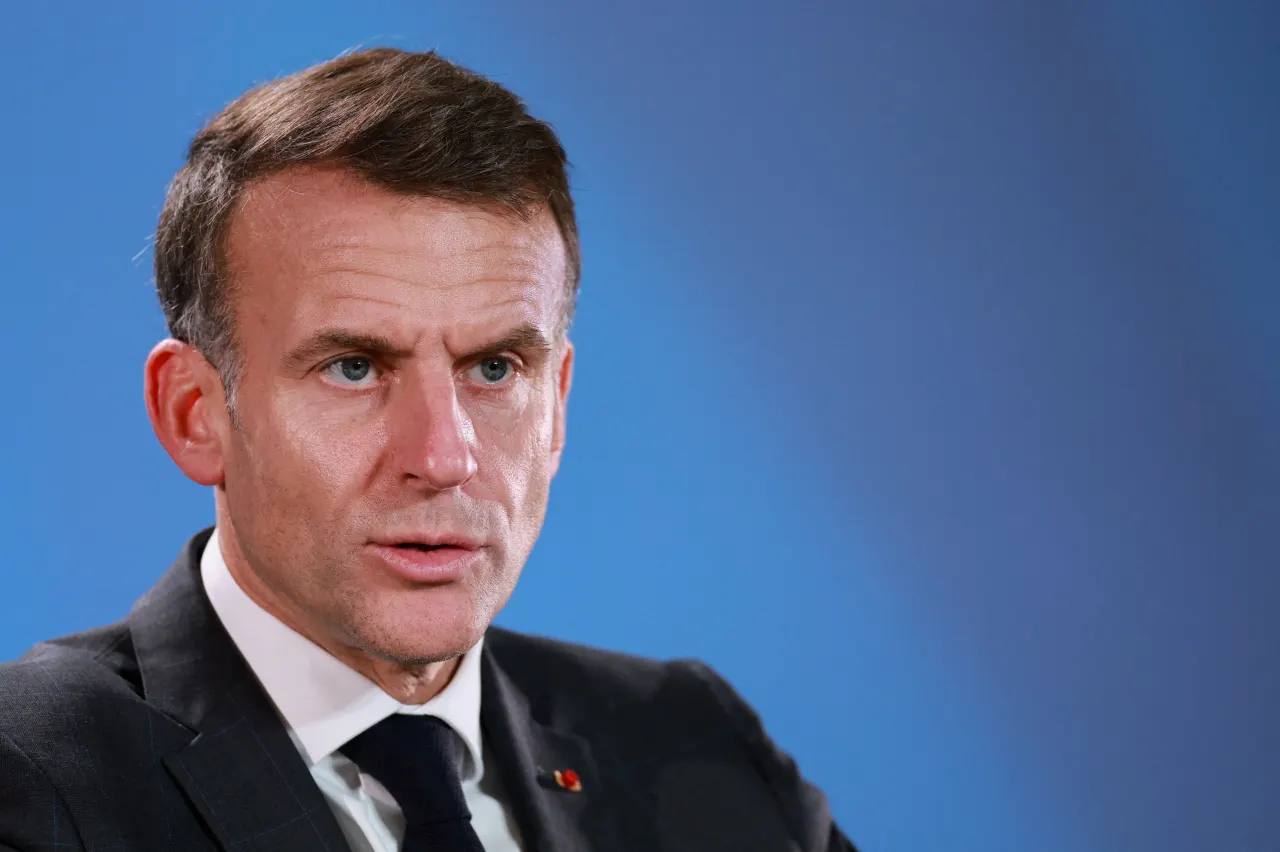
France’s economy has entered a technical recession after revised figures showed it contracted in both the second and third quarters. The downturn adds to pressure on President Emmanuel Macron as protests over fuel prices and his policies continue across the country.
GDP fell by 0.2 per cent in the third quarter, against an earlier forecast of 0.1 per cent, while the second-quarter figure was revised to a 0.02 per cent decline. The article reports 94,400 fewer salaried jobs over the past year, and forecasts GDP growth of just 0.4 per cent in 2027. It also cites a 5.5 per cent projected budget deficit and protests involving about 244,000 people at 2,000 demonstrations.
In short
- Revised figures put France in a technical recession.
- GDP fell 0.2 per cent in the third quarter.
- The downturn coincides with protests and job losses.
Steelman: both sides, in good faith
The strongest fair case each way — we don't pick a winner.
The case for
Supporters of the government's approach argue that France's projected 5.5 per cent budget deficit leaves little room for manoeuvre, and that fiscal consolidation, including measures that raise fuel prices, is necessary to restore credibility with markets and to fund long-term commitments such as the energy transition. They contend that a mild, temporary contraction is a price worth paying to avoid a larger debt problem later, and that reforms to public spending and labour rules are needed to make the economy more competitive. From this view, abandoning these measures under street pressure would risk greater costs for the public finances and for future generations.
The case against
Critics of the government argue that the burden of adjustment has fallen disproportionately on households already strained by fuel prices and living costs, and that the recession and the loss of around 94,400 salaried jobs suggest the current policy mix is weakening growth rather than restoring stability. They contend that a fairer combination of revenue measures, such as higher contributions from large firms and high earners, alongside investment in public services and the energy transition, could address both the deficit and social strain more effectively. From this perspective, the protests reflect citizens who feel they are being asked to bear the costs of policy without sufficient say, and the government's legitimacy depends on engaging with that concern rather than treating it as an obstacle.