Macron links closer UK ties to free movement as Reform warns of migration rise
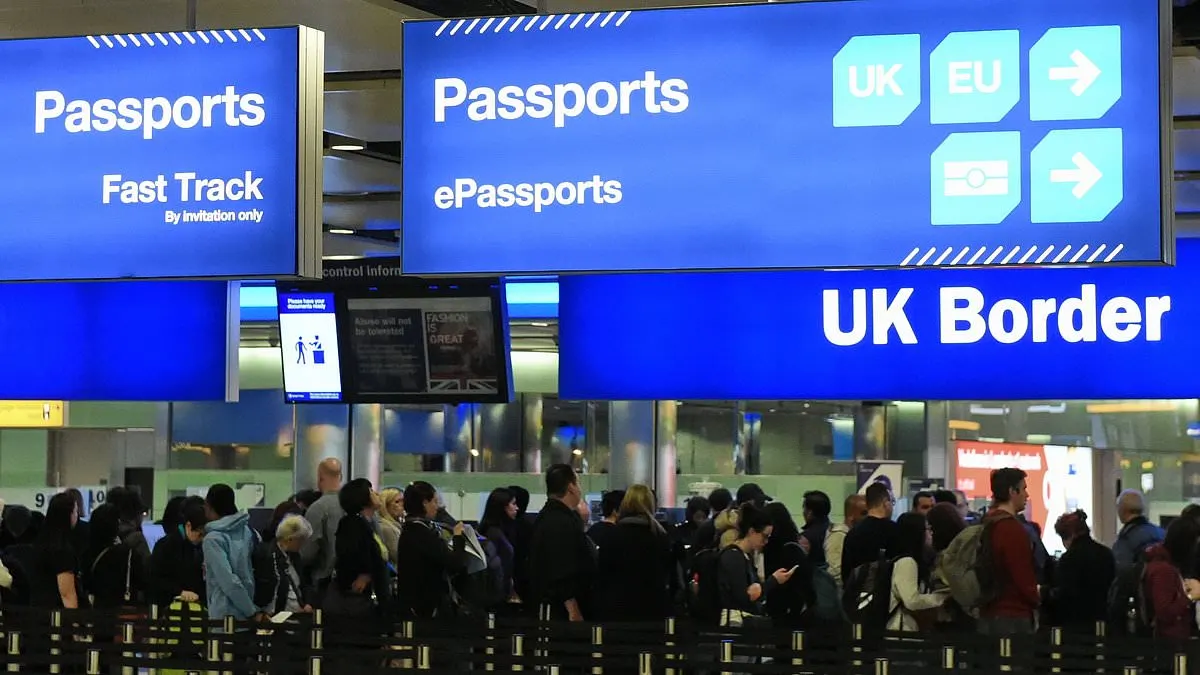
Andy Burnham has proposed discussing closer UK ties with the EU, including options such as joining the single market or rejoining the bloc. Reform UK says restoring free movement could increase immigration by more than 200,000 people a year, while the article reports that French President Emmanuel Macron told Burnham free movement would be a condition of closer ties.
The 213,000 estimate is based on average EU arrivals from 2012 to 2019; arrivals were 75,000 in 2019 and averaged more than 270,000 in the two years before the 2016 referendum. The article also says closer ties could involve accepting the EU’s four freedoms and, according to experts cited, joining the euro in the long term and losing the UK’s budget rebate. These projections and claims come from Reform UK, a think tank and unnamed sources.
- Burnham has raised options for closer UK ties with the EU.
- Reform UK estimates free movement could add 213,000 arrivals yearly.
- The estimate draws on pre-Brexit migration figures.
New here? Start with this
The UK government is exploring options for closer ties with the European Union. Andy Burnham, a senior Labour politician, has suggested discussions about deeper relationships such as joining the single market (which allows free trade without full EU membership) or rejoining the bloc entirely. French President Emmanuel Macron has said that free movement of people would be a condition of any such arrangement.
The proposals have prompted warnings from Reform UK about immigration consequences. The party states that restoring free movement with the EU could increase annual immigration by more than 200,000 people. This estimate is based on average EU migration figures from before the 2016 Brexit referendum, though actual numbers have varied substantially from year to year.
Closer integration with the EU would involve accepting the four freedoms – unrestricted movement of people, goods, services and capital between countries. Experts suggest that deeper ties could in future require changes such as the UK adopting the euro as currency and losing certain financial arrangements it currently has, though these remain theoretical.
Both sides, in good faith
The strongest fair case each way — we don't pick a winner.
The case for
Advocates of closer EU ties argue that economic integration generates substantial benefits through reduced regulatory barriers, lower trade costs, and improved labour market flexibility that helps address skills shortages in an ageing society. They contend that free movement, whilst increasing immigration, represents a reciprocal arrangement benefiting British citizens abroad and that migration figures should be understood in the context of legitimate labour market needs and overall economic growth rather than isolation.
The case against
Those concerned about closer EU ties argue that reopening free movement directly contradicts the primary democratic mandate of the 2016 referendum, which centred on border control, and that an additional 200,000 arrivals yearly would place substantial strain on housing, public services, and wages for lower-skilled workers. They maintain that the economic costs—losing the budget rebate, potential euro adoption, and relinquished monetary policy autonomy—represent unacceptable sacrifices of sovereignty and self-determination that may not produce the claimed economic benefits.
Europe Government Politics World
Read the full article at the source →
Originally published by Daily Mail as “France names its price for Andy Burnham’s Brexit betrayal… as Nigel Farage warns annual migration will go up 200,000 a year”.