France on course to lose crown as world’s most-visited country – with UK’s favourite set to take top spot despite furious overtourism protests
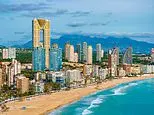
France broke its own record in 2025 by welcoming 102 million international visitors, making it the world's most-visited country, but new research from Deloitte and Google suggests it will lose that crown to Spain by 2040. Spain is forecast to reach 110 million inbound visitors by then, overtaking France's projected 105 million, a milestone that would confirm the country's enduring appeal to British holidaymakers despite growing local anger over the strain mass tourism places on housing and communities.
Spain already recorded an all-time high of 97 million visitors last year, with 19.1 million of them from the UK spending nearly €24 billion in 2025 alone, drawn to resorts such as Benidorm and cities like Barcelona. The US, China and Mexico are expected to round out the top five most-visited nations by 2040, as Europe overall is projected to gain more than 362 million extra visitors between 2019 and 2040 and global trips climb to 2.4 billion. The forecast comes against a backdrop of intensifying overtourism protests in Spain, including recent demonstrations in Majorca over rising housing costs and congestion, and controversial guidance from anti-tourism groups urging "non-violent direct action" against businesses linked to the industry.
In short
- Spain set to overtake France as world's top tourist destination by 2040
- Spain projected 110 million visitors versus France's 105 million
- Comes amid fierce overtourism protests across Spain, including Majorca
Steelman: both sides, in good faith
The strongest fair case each way — we don't pick a winner.
The case for
Advocates of continued tourism growth point to the enormous economic value it brings: British visitors alone spent nearly €24 billion in Spain in 2025, sustaining jobs in hospitality, retail and transport across regions that have few comparable industries. They argue that tourism revenue funds public services and infrastructure, that resorts like Benidorm were purpose-built to host mass tourism and depend on it for their livelihoods, and that curbing visitor numbers would harm ordinary workers far more than it would inconvenience wealthy property owners, making managed growth the more responsible path.
The case against
Those behind the protests argue that unchecked visitor growth is hollowing out communities, driving up housing costs and rents to levels local residents on local wages cannot sustain, and straining water, transport and public space beyond what cities like Barcelona and islands like Majorca can bear. They contend that a tourism model geared to ever-higher visitor totals prioritises short-term profit for hotel chains and platforms over residents' basic right to live affordably in their own cities, and that direct, non-violent protest is a proportionate response when local democratic channels have failed to slow the trend.
Explained simply
France welcomed a record 102 million foreign visitors in 2025, making it the world's most-visited country, a title it has held for years thanks to attractions such as Paris and its countryside regions. Spain is close behind, having drawn 97 million visitors of its own in 2025, with British holidaymakers making up its single largest group of tourists.
New long-term forecasting from Deloitte and Google projects that this ranking will flip by 2040, with Spain overtaking France to become the world's top destination as global travel volumes rise sharply over the coming decades. Behind this rests a broader trend of European countries competing for growing numbers of international visitors, alongside mounting concern in tourist hotspots about the impact of large visitor numbers on local housing, prices and daily life.
That tension has become increasingly visible in Spain, where residents in places such as Majorca and Barcelona have staged public protests against what they see as the negative effects of mass tourism on their communities. This backdrop of local frustration sits alongside the tourism industry's economic importance to Spain, making any projection of continued growth a subject of debate rather than straightforward good news.
Americas Culture Europe Travel World