France on edge with 70,000 police deployed for unrest as authorities probe suspected terror attack near Paris
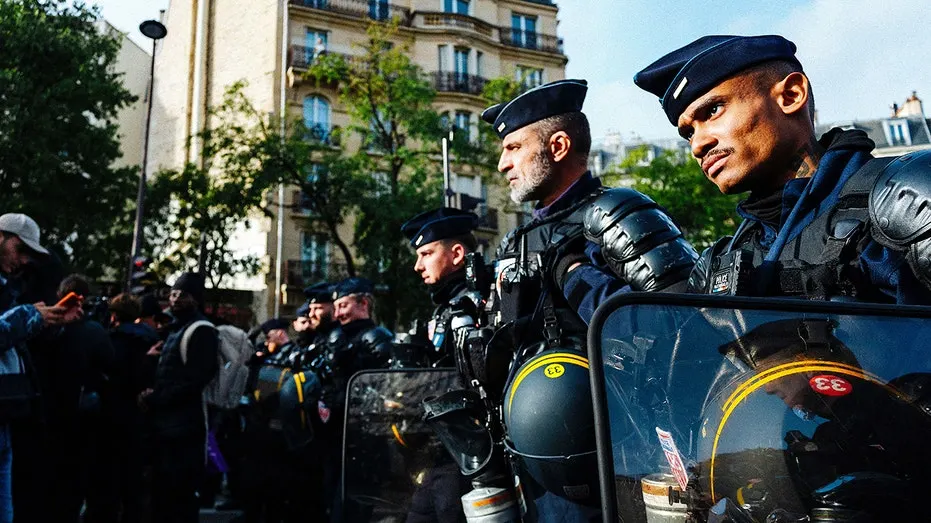
France is preparing for another weekend of possible unrest, deploying 70,000 law enforcement officers alongside helicopters, armoured vehicles and water cannons. The security measures follow violent protests the previous weekend and a suspected terrorist attack near Paris, adding to public concern and disrupting events across the country.
In Trappes, a 39-year-old man was arrested after a shooting that killed one person and wounded four, including a 12-year-old girl; the interior minister said investigators were examining a possible racist motive. Authorities have rejected some protest permit requests, while a student union says its rallies will go ahead. The Louvre and Musée d’Orsay will close, 24 Paris Metro stations will shut, and a football match has been postponed; an NFL game remains scheduled.
In short
- France is deploying 70,000 officers ahead of expected protests.
- A suspected attack near Paris killed one person and injured four.
- Closures and event changes are planned across the capital.
Steelman: both sides, in good faith
The strongest fair case each way — we don't pick a winner.
The case for
Supporters of the extensive deployment argue that the recent violence, a fatal shooting under investigation and the prospect of further unrest justify a strong precautionary response. Visible policing and temporary closures may help protect the public, prevent escalation and give authorities room to investigate, even though they disrupt ordinary life and lawful events.
The case against
Critics may argue that deploying 70,000 officers and restricting rallies and access to public spaces risks treating peaceful protest as a security threat. Such measures can impose broad costs on residents and cultural life, and may deepen mistrust if they are not narrowly targeted, clearly explained and proportionate to the evidence.
Explained simply
France has a central government led by the president and prime minister, while local authorities and police manage public safety in towns and cities. Demonstrations are common, and organisers may need official permission for a march or rally.
Trappes is a town west of Paris. Police and prosecutors investigate serious crimes, while the interior minister oversees national policing; in this case, investigators are considering whether racism was a motive. A suspected terrorist attack is a separate matter that authorities investigate for possible links to terrorism.
Large security deployments can affect daily life as well as protests, with transport, museums and sporting events among those that may close or change plans. The dispute over demonstrations also involves the right to assemble and the authorities’ responsibility to protect the public.