France’s Halley Production Boards Thriller ‘Carro Seco,’ About Killer Who Targets Unscrupulous Barcelona Real Estate Speculators (EXCLUSIVE)
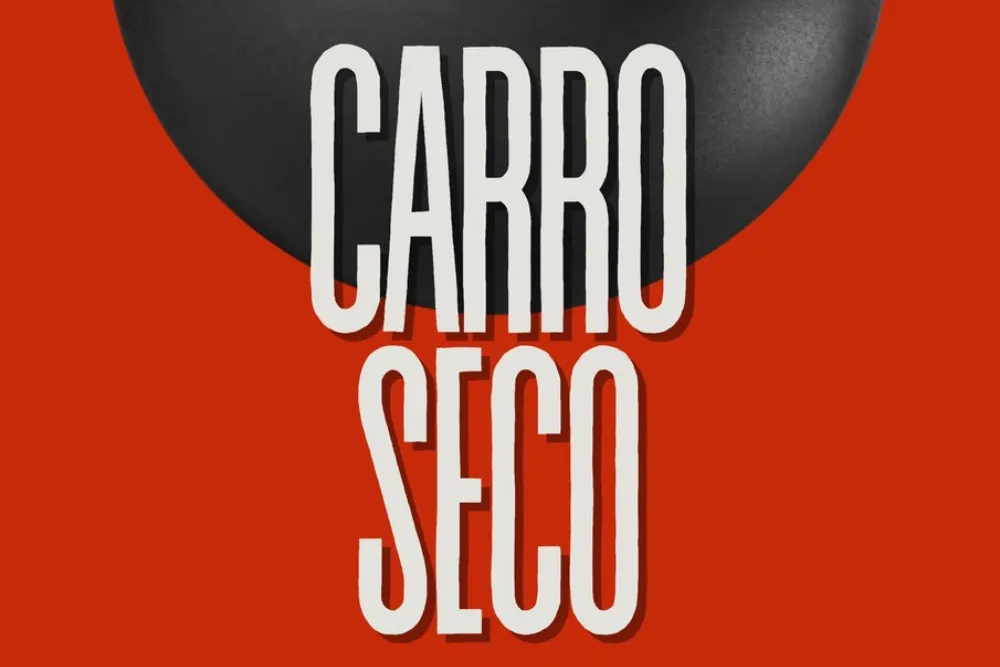
Paris-based Halley Production has joined the Spanish-French thriller "Carro Seco" ("Carreau"), directed by Javier Polo and produced by València's Los Hermanos Polo Films alongside Barcelona's Lastcrit, with the project being showcased at the Iberseries & Platino Industria Co-Production and Financing Forum in Madrid. The film uses a genre thriller to tackle Barcelona's housing crisis, following a vigilante-style serial killer who murders wealthy property speculators, framing the co-production as a natural fit given pétanque's shared cultural resonance in both Spain and France and the story's relevance to gentrification across European cities.
The story centres on an eccentric killer who dresses as a vintage pétanque player and uses heavy metal pétanque balls to execute property owners he blames for silent evictions and displacement, casting himself as a housing "Robin Hood" while two detectives investigate and public opinion divides over whether he is hero or psychopath. The screenplay is by María Mínguez and Merli Marlowe, with producers including Javier and Guillermo Polo, Víctor Cuadros, Guillem Moreno and Victoria Pérez de la Cruz; Halley Production's Andrea Marcelli and Corentin Koskas are also attached. The producers are seeking further international partners at the Madrid forum, with a shoot targeted for 2027; no cast has yet been announced.
In short
- Halley Production joins Spanish-French thriller "Carro Seco" about Barcelona
- Killer targets property speculators using pétanque balls as weapons
- Film explores housing crisis; 2027 shoot planned, cast unannounced
Steelman: both sides, in good faith
The strongest fair case each way — we don't pick a winner.
The case for
A thriller centred on a vigilante can give dramatic force to the harms of displacement and silent evictions, making audiences consider how housing speculation affects residents and communities. Supporters may see the film’s genre approach as a way to provoke debate about accountability and gentrification across European cities.
The case against
Making a serial killer the avenger of displaced residents risks turning real housing grievances into a simplistic morality tale in which violence appears to deliver justice. Viewers may worry that this framing glamorises vigilantism, obscures the complexity of housing policy and reduces property owners to villains before the facts of any individual case are considered.
Explained simply
Barcelona has become a focus of debate over rising housing costs, property investment and residents being forced from their homes. Gentrification describes changes that can make an area more expensive and difficult for long-standing residents to remain in.
The film follows a killer who targets property speculators he blames for displacing tenants, while two detectives investigate. Its central tension is whether the public sees him as a defender of residents or as a criminal.
The project brings together production companies from Spain and France. Its subject reflects housing pressures debated in cities across Europe, while pétanque, a popular game in both countries, provides the story with its distinctive setting and imagery.
Americas Art Culture Entertainment Europe Film TV World