World news and discussion on TalkFuse.
France’s sixth consecutive Saturday of protests draw lower turnout
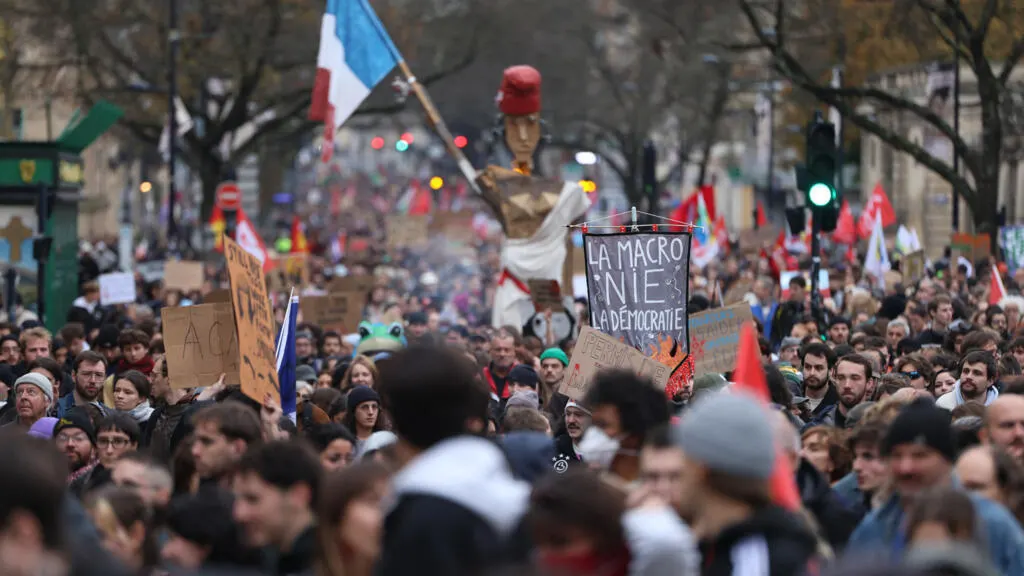
Tens of thousands marched across France on Saturday for the sixth consecutive weekend, calling for better public services and protesting the rising cost of living and inequality. The movement began with high school students seeking better learning conditions and has widened to include concerns about police conduct; turnout has fallen sharply since the first march.
Organisers estimated 150,000 people took part, down from 200,000 the previous week and 800,000 at the first protest on 17 October. The interior ministry counted 82,500, compared with 106,000 a week earlier. Most demonstrations were peaceful, though clashes and fires were reported in some places; an AFP count based on testimony and records says at least 31 people have been seriously injured by security forces since the protests began.
In short
- France’s sixth weekly protest drew fewer people than the previous march.
- Organisers counted 150,000, while the interior ministry reported 82,500.
- Protests called for better services and action on living costs and inequality.
Steelman: both sides, in good faith
The strongest fair case each way — we don't pick a winner.
The case for
Supporters argue that sustained demonstrations are a legitimate way to press the government to address strained public services, high living costs and inequality, especially when people feel ordinary channels have not brought enough change. They may also see continued turnout, despite its decline, as evidence that these concerns remain significant, and scrutiny of police conduct as necessary to protect the right to protest.
The case against
Critics may argue that repeated marches and episodes of clashes or fires impose costs on residents and businesses, disrupt daily life, and risk shifting attention from policy demands to public disorder. Falling turnout could suggest that the movement has less broad or durable support than its organisers claim, while critics may favour pursuing reforms through elections, consultation and other established channels.