Business news and discussion on TalkFuse.
Free diver, 21, wants to ‘give back’ to the ocean that has helped him
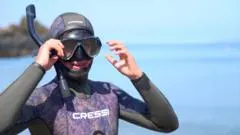
Iestyn Morgan, a 21-year-old free diver from Pembrokeshire, says diving to the seabed gives him “otherworldly” experiences and supports his mental health. He is using his experiences to encourage greater ocean conservation, arguing that Welsh waters face severe pressure and deserve protection.
Morgan can spend four to five hours at a time in the sea and wants to show people the marine environment that brings him joy. He says raising awareness is his way of giving back to the ocean, with the aim of helping others understand what is at stake.
In short
- A Welsh free diver calls for stronger ocean conservation.
- Diving supports his mental health and wellbeing.
- He wants to reveal Wales’s pressured marine environment.
Steelman: both sides, in good faith
The strongest fair case each way — we don't pick a winner.
The case for
Welsh waters possess irreplaceable ecological value under threat from overfishing, pollution, and climate change; protecting marine biodiversity is necessary for ecosystem health and future generations. Personal advocacy like Morgan's, which connects people emotionally to the ocean, is vital for building public support for the conservation policies that scientific evidence increasingly demands.
The case against
Welsh coastal communities depend on fishing and marine industries for their livelihoods, and conservation measures must be proportionate to documented threats and developed with local voices. Whilst ocean conservation matters, discussion should honestly address its economic impacts on communities and explore balanced approaches that pursue environmental stewardship alongside sustainable economic opportunity for people whose families have long depended on these waters.
Explained simply
Freediving is underwater diving without breathing equipment, with the diver holding their breath. Around Pembrokeshire, Wales’s coastline meets the Atlantic, creating varied marine habitats that support wildlife and coastal communities.
The sea is used for recreation and fishing, while pollution, habitat damage and other pressures can affect marine life. Conservation aims to protect ocean habitats and species; public awareness can help people understand why these places matter.