World news and discussion on TalkFuse.
Freezing temps in the forecast mean more homeless deaths in the streets
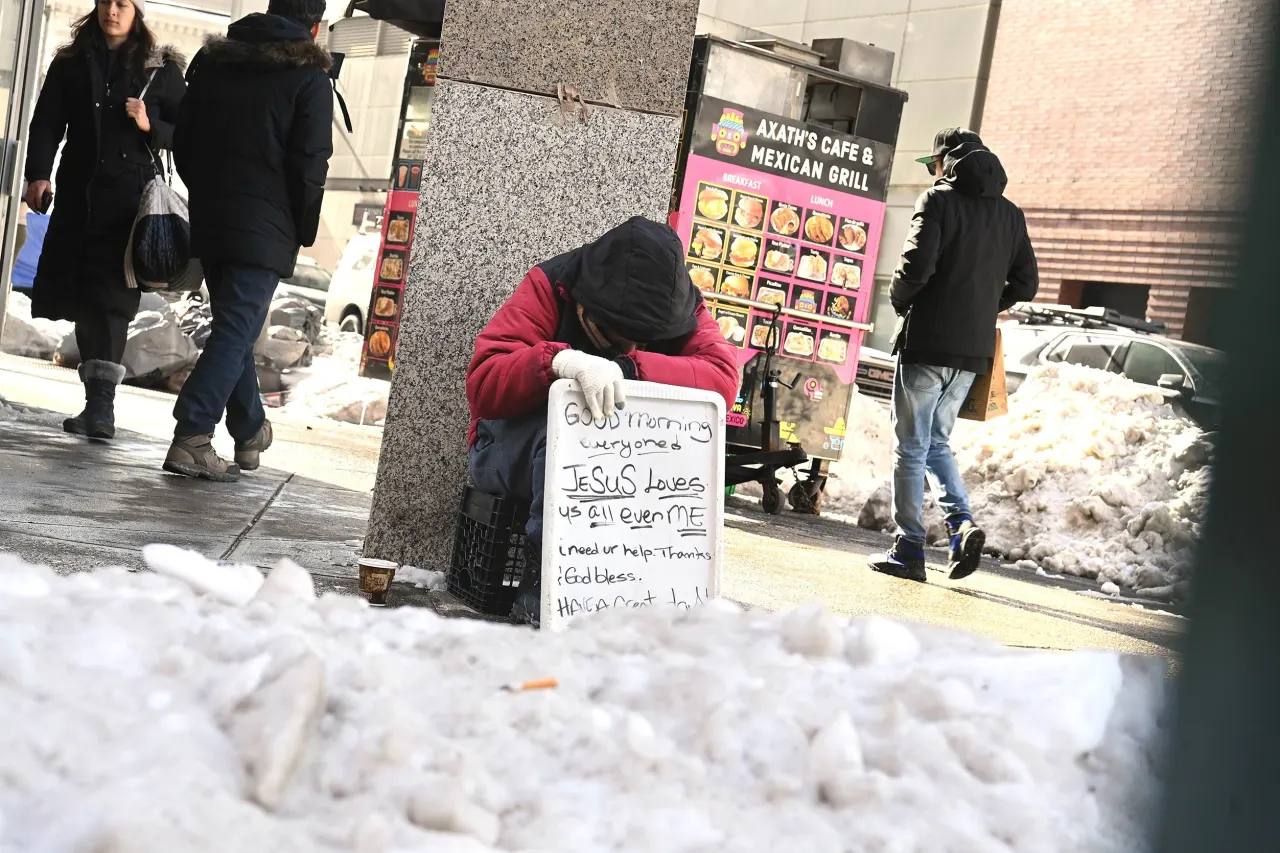
The article warns that New York’s approaching winter could bring more deaths among people experiencing homelessness, arguing that the city should intervene when people face severe danger outdoors. It says at least 15 people died from hypothermia last year, despite many having previous contact with homeless services, and criticises the policy of not compelling people to enter shelters.
The article also argues that getting people indoors is not enough: a city report recorded 634 deaths among homeless residents from July 2024 to June 2025, with drugs and alcohol implicated in nearly half. Drug-related deaths accounted for 40 per cent, compared with 12 per cent from heart disease; the report also recorded eight infant deaths. The piece calls for stronger responses to addiction and substance use in shelters, while presenting some claims about infant deaths as speculation.
In short
- At least 15 homeless New Yorkers died from hypothermia last year.
- A city report recorded 634 deaths among homeless residents in one year.
- The article calls for action on addiction both outdoors and in shelters.
Steelman: both sides, in good faith
The strongest fair case each way — we don't pick a winner.
The case for
When severe cold puts someone at immediate risk of death, the city has a strong duty to protect life, including by intervening when a person cannot or will not reach safety. The reported hypothermia deaths, despite prior contact with services, suggest that voluntary shelter offers may not be enough for everyone; stronger outreach and carefully limited emergency measures could prevent avoidable deaths. The high share of deaths involving drugs and alcohol also supports improving access to addiction treatment and safer support in shelters.
The case against
Compelling people into shelters risks overriding their autonomy and may cause harm if shelters feel unsafe, are unsuitable, or cannot address the reasons people avoid them. A policy focused on coercion could damage trust and discourage people from seeking help, while failing to resolve the housing insecurity and health needs behind deaths outdoors and indoors. The city should prioritise accessible, trusted shelter and voluntary treatment, with any emergency intervention narrowly defined and subject to safeguards.