World news and discussion on TalkFuse.
French interior minister acknowledges ‘failure’ at parliamentary inquiry into October 17 unrest
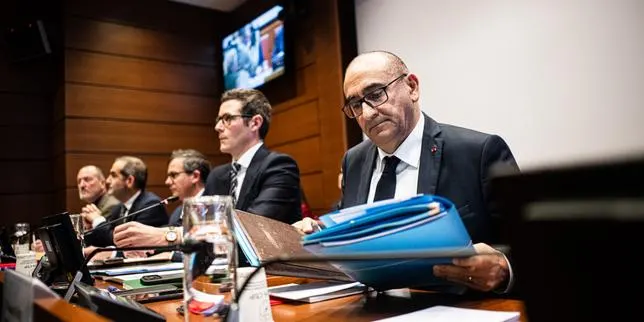
French Interior Minister Laurent Nuñez told a parliamentary inquiry that the response to unrest during demonstrations on 17 October was a “failure”. He accepted responsibility for failing to anticipate the violence, which involved widespread looting and damage across several cities.
Nuñez said the day brought together several kinds of events, including planned demonstrations, unplanned marches and looting, and argued that simply deploying more police would not have prevented the damage. Authorities had forecast 60,000 to 110,000 demonstrators outside Paris, but about 550,000 people took to the streets nationwide, including 110,000 in Paris; more than 3,000 businesses were looted. He defended the use of crowd-control weapons, noting that 22,000 tear-gas grenades were fired, while the inquiry continues through February.
In short
- Nuñez called the response to 17 October unrest a failure.
- About 550,000 people joined demonstrations nationwide.
- More than 3,000 businesses were looted.
Steelman: both sides, in good faith
The strongest fair case each way — we don't pick a winner.
The case for
The minister’s admission of failure recognises that authorities did not anticipate the scale or varied nature of the unrest, despite their forecasts, and that the resulting looting caused serious harm to businesses and communities. A parliamentary inquiry can examine preparedness and accountability, while his argument that simply deploying more police would not have prevented the damage points to the limits of a response focused only on numbers.
The case against
The minister’s explanation may understate the case for stronger preparation: when demonstrations can turn violent, authorities have a duty to plan for risks beyond the expected turnout and to protect people and businesses. The scale of the looting and damage invites scrutiny of whether deployments, coordination and tactics were adequate; the use of 22,000 tear-gas grenades also raises questions about whether crowd-control measures were proportionate and effective.
Explained simply
France’s interior minister oversees national policing and public order, while parliament can hold inquiries to examine how the government and public services handled major events. Such inquiries hear evidence from officials and may inform later debate about policy or accountability.
Demonstrations can involve organised marches as well as people gathering or moving without a formal plan. Police and local authorities must decide how to protect people and property while allowing protests to take place; crowd-control measures, including tear gas, are among the tools used in those situations.
The events matter because they raise questions about how well authorities can predict and respond to large gatherings, and how they balance public safety with the right to protest. The scale of damage and the number of businesses affected also have consequences for local communities and workers.
Europe Government Politics World