World news and discussion on TalkFuse.
French lawmakers approve extra protection for police using weapons
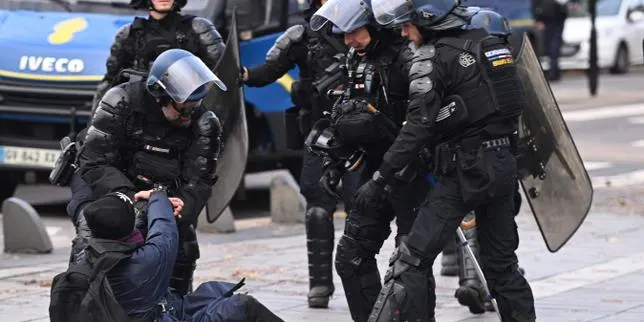
French lawmakers have approved a measure giving police and gendarmes a legal presumption that their use of weapons while on duty was lawful, provided it falls within existing authorised circumstances. Supporters say it offers officers greater legal protection; critics argue it could weaken accountability and shift the burden of proof.
The measure follows a bill first adopted by the National Assembly in July 2026 and subsequently approved by the Senate. It does not change the existing rules governing when officers may use weapons, but affects how the legality of a specific use is assessed. The Senate cited 176 operational police shots in 2025, compared with 338 in 2017; opponents have raised concerns about rights and investigations.
In short
- Parliament approved a legal presumption for police weapon use on duty.
- Existing rules on when officers may use weapons remain.
- Critics warn the change could weaken accountability.
Steelman: both sides, in good faith
The strongest fair case each way — we don't pick a winner.
The case for
A legal presumption of lawfulness could give officers greater confidence to act in situations where delay may endanger them or others, while recognising the risks and pressures of armed duty. Since the measure applies only when weapons are used within existing authorised circumstances, supporters can argue it improves legal protection without broadening the permitted use of force.
The case against
Even without changing when officers may use weapons, shifting the initial presumption could make investigations and challenges harder for people harmed by police gunfire. Critics can argue that robust, visibly independent scrutiny is essential to protect rights and public trust, and that officers should not receive a procedural advantage when the facts of a shooting remain to be established.
Explained simply
French police officers and gendarmes are allowed to use weapons only in circumstances set out by law, such as when necessary to protect life. Whether a particular use was lawful can be examined through an investigation and legal proceedings.
A bill adopted by the National Assembly and approved by the Senate changes how that question is assessed; it does not expand the situations in which officers may use weapons. Supporters say the measure gives officers more legal protection, while critics say it may make accountability harder and affect how investigations establish what happened.
The debate matters because it concerns both officers’ ability to act on duty and the safeguards that apply when someone is injured or killed by police gunfire. The Senate cited 176 operational police shots in 2025, compared with 338 in 2017.