French newspaper claims climate change is fueling child marriages, including girls as young as 12
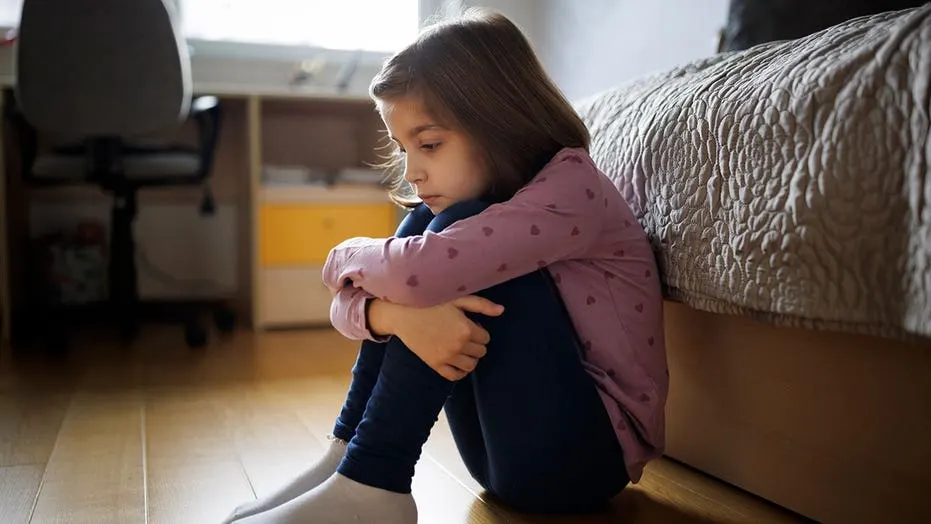
Le Parisien reported that climate-related disasters may be accelerating child marriage in some developing countries by damaging families’ homes and livelihoods. The claim has prompted criticism from Moms for Liberty co-founder Tina Descovich, who argued that focusing on climate change can shift attention away from the people and practices responsible for exploiting children.
The report drew on Plan International research involving 5,000 girls and young women in Bangladesh, Kenya, Peru, Senegal and Zimbabwe: 36% said they had observed more child marriage after climate-related disasters, while 11% said they had experienced it themselves. It described a 12-year-old Bangladeshi girl reportedly married after harassment at a cyclone shelter, and a 15-year-old whose family lost livestock and income in a cyclone; she later returned to school with aid-group support. UNICEF figures cited in the article show that 47.2% of Bangladeshi women aged 20 to 24 were married before 18, down from 51.4% in 2019.
- A report links climate disasters with increased child marriage.
- Plan International surveyed 5,000 girls and young women.
- Bangladesh’s rate of marriage before 18 has fallen since 2019.
New here? Start with this
Child marriage means a marriage or union involving someone under 18. It remains common in some countries, though rates vary and can change over time; in Bangladesh, UNICEF figures cited in the report show the share of women aged 20 to 24 who married before 18 has fallen since 2019.
The report examines whether climate-related disasters, such as cyclones, can add to pressures that lead families to marry off girls early. Damage to homes, income or livestock may increase hardship, while harassment and local practices can also put girls at risk.
Plan International surveyed girls and young women in five countries about their experiences and observations. The issue has prompted debate over how to explain the causes of child marriage and how best to protect children.
Both sides, in good faith
The strongest fair case each way — we don't pick a winner.
The case for
Climate-related disasters can destroy homes, income and access to schooling, leaving families under acute pressure and girls more exposed to early marriage or harassment in temporary shelters. The survey findings and reported cases suggest climate shocks may worsen risks that already exist, so addressing disaster resilience and supporting affected families could help protect girls alongside efforts to enforce child-protection laws.
The case against
Explaining child marriage through climate change risks obscuring the direct role of adults, social norms and weak protection systems that permit girls to be exploited. Survey reports of increased marriage after disasters do not by themselves establish that climate change caused the increase, so policy should keep accountability, safeguarding and access to education at the centre rather than treating climate impacts as the main explanation.