Politics news and discussion on TalkFuse.
French PM urges banks to fund presidential election candidates
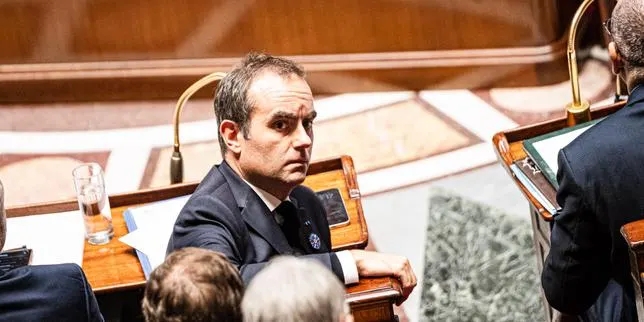
French Prime Minister Sébastien Lecornu has urged banks to create a joint funding mechanism for presidential candidates, arguing that they should have the means to present their platforms and that foreign powers must not be able to influence the election through campaign finance. The banks rejected his initial proposal, leaving the government and financial institutions in a stalemate.
In a letter dated 6 October, Lecornu proposed the mechanism; after receiving separate refusals, he wrote again on 30 October and offered to meet bank representatives. The dispute is linked to concerns about candidates struggling to secure loans, including the far-right National Rally: Marine Le Pen borrowed from a Russian bank in 2014. Banks say the main risk for them is reputational, while a candidate reaching 5% of the first-round vote can qualify for state reimbursement of campaign expenses.
In short
- Lecornu wants banks to establish shared campaign funding.
- Banks rejected his proposal and have yet to agree.
- The debate centres partly on foreign influence and the RN.
Steelman: both sides, in good faith
The strongest fair case each way — we don't pick a winner.
The case for
A shared bank funding mechanism could help viable candidates access campaign loans on consistent terms, supporting fair competition and the principle that voters should judge candidates’ platforms. It could also reduce reliance on foreign lenders and their potential influence, while state reimbursement for candidates who reach the required threshold offers some protection against losses.
The case against
Banks may reasonably resist a government-backed arrangement that exposes them to reputational risk or appears to endorse candidates, especially when lending decisions involve uncertainty beyond the possibility of eventual state reimbursement. Keeping such decisions with individual institutions may protect their independence and avoid creating a mechanism that could be seen as giving public authority undue influence over campaign finance.
Elections Europe Government Politics World