World news and discussion on TalkFuse.
French police exhume former minister’s body 47 years after he ‘died by suicide’ – reopening cold case
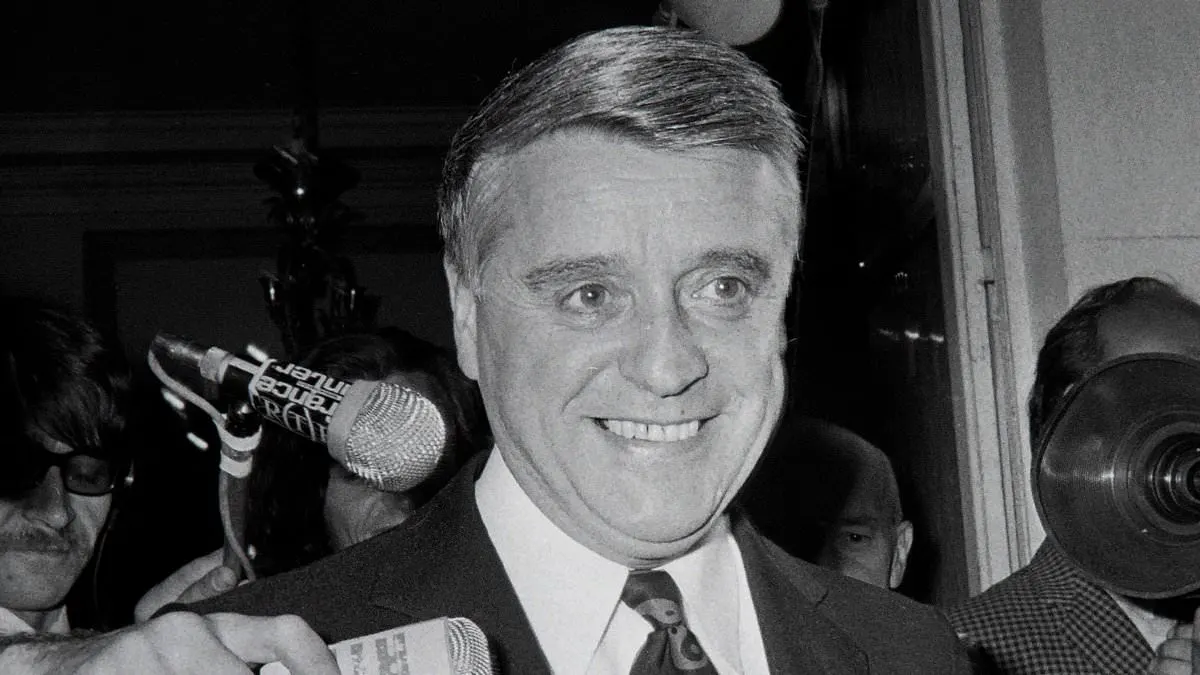
The body of former French minister Robert Boulin was exhumed this week as police renew efforts to establish how he died. Boulin was found dead in a pond in Rambouillet, west of Paris, in October 1979, and investigators at the time concluded that he had taken his own life. His family disputes this, describing his death as a political assassination, and the case is being reopened almost 50 years later.
Three investigating judges have been appointed to examine whether Boulin was kidnapped, illegally detained or murdered. An autopsy was carried out on the Friday after the exhumation the previous day, which the family's lawyer, Didier Seban, called an important step. Boulin's death came weeks after he was accused of wrongdoing over a land purchase on the French Mediterranean coast. Four years ago, a man named Elio Darmon claimed to have overheard gangsters discussing the murder, but he died in April this year, aged 79.
In short
- French police have exhumed former minister Robert Boulin's body, reopening his 1979 death case.
- Boulin was ruled a suicide, but his family calls it a political assassination.
- Three judges are now examining whether he was kidnapped, detained or murdered.
Steelman: both sides, in good faith
The strongest fair case each way — we don't pick a winner.
The case for
Those who believe Robert Boulin was killed point to the political pressure he faced in the weeks before his death, including the accusations over the land purchase, and argue that a senior figure under such scrutiny could have been targeted or silenced. They also note that the original conclusion of suicide was reached in a climate of intense political sensitivity, and that the family's long campaign for a fresh inquiry reflects a sincere belief that important questions were never properly answered. Testimony such as Elio Darmon's, however unverified, is cited as a reason the matter deserves a full judicial examination with modern forensic tools.
The case against
Those who accept the original finding of suicide argue that it was reached by investigators at the time after examining the scene and the evidence available to them, and that it should not be lightly overturned decades later. They point out that Boulin was experiencing serious personal and professional distress, which can be a recognised context for suicide, and that accounts of murder have often rested on second-hand claims that are hard to test. From this perspective, reopening the case risks giving credence to speculation, and the principle of closure and respect for the evidence favours caution before concluding that a crime occurred.
Europe Government Politics World