French President Emmanuel Macron Calls for a ‘New Multilateralism’ Across Creative Industries: ‘We Built a Civilization of Images. We Should Not Resign Ourselves to Watching It Deteriorate’
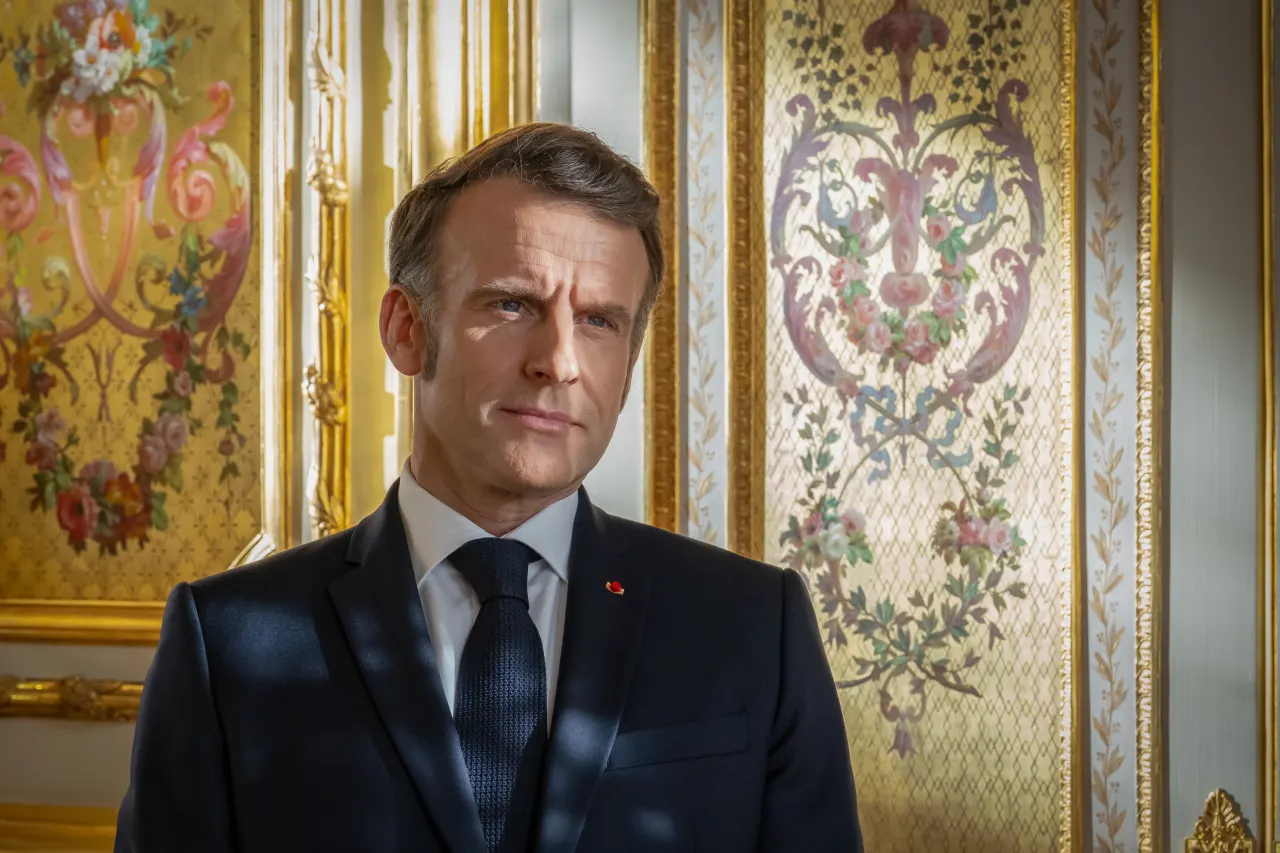
French President Emmanuel Macron has published an op-ed calling for a "new multilateralism" to protect and revitalise global creative industries, published on the eve of the Lumière Summit, which he is co-hosting with South Korean President Lee Jae Myung. The gathering brings together leading figures from film, television and gaming to discuss the future of the "moving image" industries, with Macron framing the moment as a turning point for what he calls civilisation's long relationship with images, warning that society risks resigning itself to watching that culture deteriorate rather than actively reshaping it.
Macron traces the history of cinema back to the Lumière brothers' first public screening in Paris in 1895 before arguing that today's abundance of screens and content has come at the cost of sustained attention, imagination and genuine cultural diversity. He distinguishes between an endless supply of algorithm-driven content and works of "time, talent, risk and intention", arguing that ambitious films, series and video games carry economic, cultural and democratic value that must be protected through international cooperation and support for creative industries, rather than a retreat from screens altogether.
In short
- Macron op-ed urges global cooperation to safeguard creative industries
- Published ahead of Lumière Summit co-hosted with South Korea's president
- Warns algorithm-driven content threatens genuine artistic and cultural value
Steelman: both sides, in good faith
The strongest fair case each way — we don't pick a winner.
The case for
Macron’s case is that creative works made with time, skill and artistic risk offer cultural and democratic value that an abundance of algorithmically selected content may not provide. International cooperation and support for film, television and games could help sustain diverse work and give creators a fair chance to reach audiences across borders.
The case against
A reasonable sceptic could argue that public support and international coordination risk letting governments or industry bodies decide which works deserve protection, narrowing creative freedom or favouring established players. Abundant, algorithmically recommended content can also widen access to creators and audiences, while people’s changing viewing habits need not mean that culture or attention is deteriorating.
Explained simply
Cinema, television and video games are part of the wider creative industries: businesses and people who make and distribute stories and images. Their work can reach audiences around the world, but it also competes for attention with a vast amount of online content.
Emmanuel Macron is France’s president, and Lee Jae Myung is South Korea’s president. Their countries are major centres of film and other screen-based entertainment, and the Lumière brothers, whose first public cinema screening took place in Paris in 1895, are often associated with cinema’s beginnings.
The debate concerns how to support ambitious creative work and cultural variety as technology changes how people find and watch entertainment. International cooperation matters because films, television and games are made, distributed and viewed across national borders.
Art Culture Entertainment Film Government Politics