French President Emmanuel Macron Calls on YouTube to Finance Content and Warns of Growing Threat to Cultural Model (EXCLUSIVE)
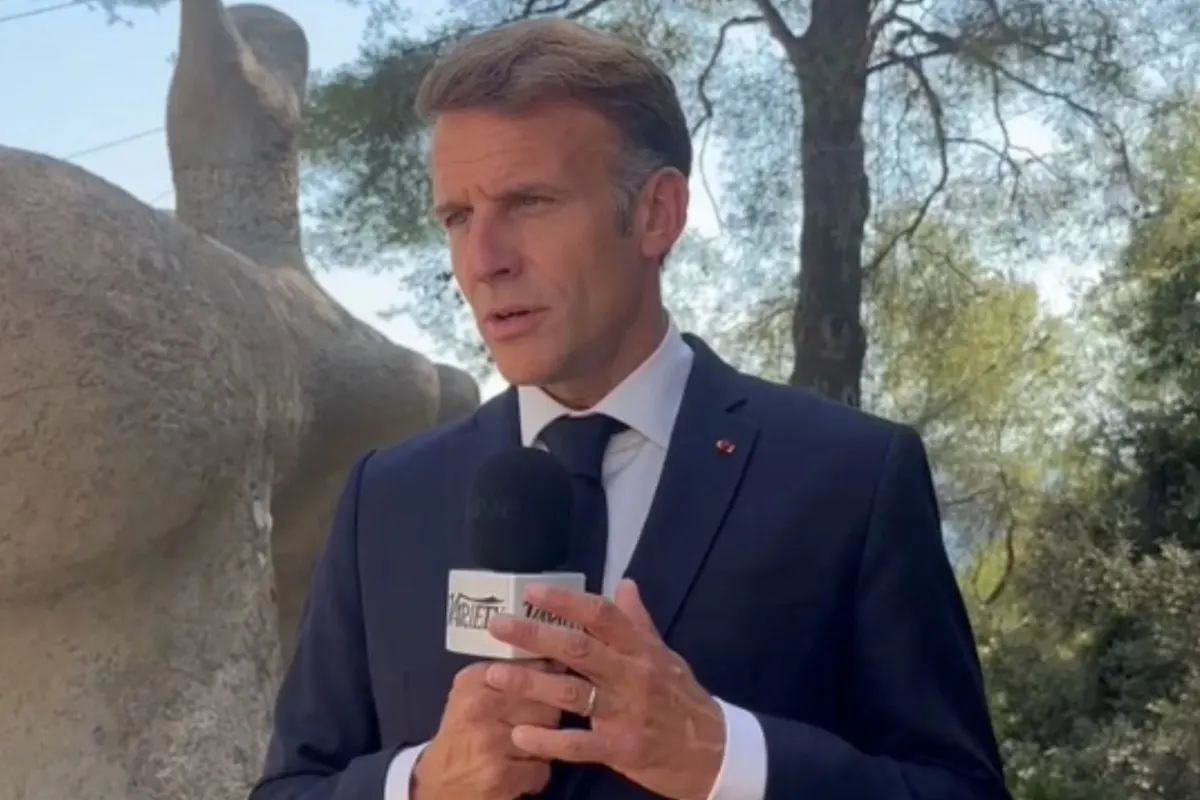
French President Emmanuel Macron has urged YouTube to help finance local content, warning that the platform's dominance poses a growing threat to Europe's cultural model. Speaking to Variety at the Lumière Summit in Saint-Paul-de-Vence, which he co-chaired with South Korean President Lee Jae Myung, Macron said the gathering was timed deliberately to address upheaval in the entertainment industry driven by YouTube, TikTok, AI and media consolidation, arguing that platforms diverting audiences and revenue away from traditional creators should face the same investment obligations already imposed on Netflix, Amazon and Disney.
Macron noted that YouTube now outperforms Netflix in more than 20 international markets and called for a multilateral approach to push the platform to fund local production and better respect creators. He also addressed France's ambitions to compete in AI, saying the country wants to expand computing capacity and data centres while demanding transparency, including clear labelling of AI-generated content, warning that without it AI could undermine trust in truth, science and democracy. On media consolidation, he confirmed discussions around the EU-approved Paramount-Warner Bros deal, calling it primarily a "U.S. M&A story" but stressing that safeguards for European investment and cinema commitments were his priority; senior executives from Disney, Netflix, NBCUniversal, Sony and Mediawan attended the summit.
In short
- Macron wants YouTube to help fund local content creation
- He demands transparency and labelling for AI-generated material
- Macron downplayed his role in the Paramount-Warner Bros merger approval
Steelman: both sides, in good faith
The strongest fair case each way — we don't pick a winner.
The case for
YouTube draws audiences and advertising away from locally rooted film and television, yet does not face the same local investment obligations as some subscription streamers. Requiring it to contribute to local production could help sustain European creators, cultural diversity and the industries that produce work for domestic audiences.
The case against
YouTube is a distinct, open platform where creators of many sizes reach audiences directly, rather than a commissioned subscription service, so identical investment rules may be a poor fit. New obligations could raise costs, restrict access or favour established producers, while viewers and creators may benefit more from competition and flexible routes to funding.
Explained simply
YouTube and other online platforms let people watch a wide range of video, including work by professional studios and independent creators. Their growing audiences can shift advertising income and viewers away from traditional broadcasters and film-makers.
France and other European countries support local film and television production through rules requiring some streaming services to invest in European works. Macron is arguing that similar expectations should apply to platforms such as YouTube, which has become a major source of viewing.
The debate matters because investment rules can affect which stories get made and seen, while AI raises questions about how audiences identify generated material. European governments are also weighing how media mergers could affect competition, investment and cinema.
AI Asia Geopolitics Government Politics Technology Trending Weird & Viral World