Politics news and discussion on TalkFuse.
From an Incarcerated Writer: Botched Executions Show Journalists Need More Access to Prisons
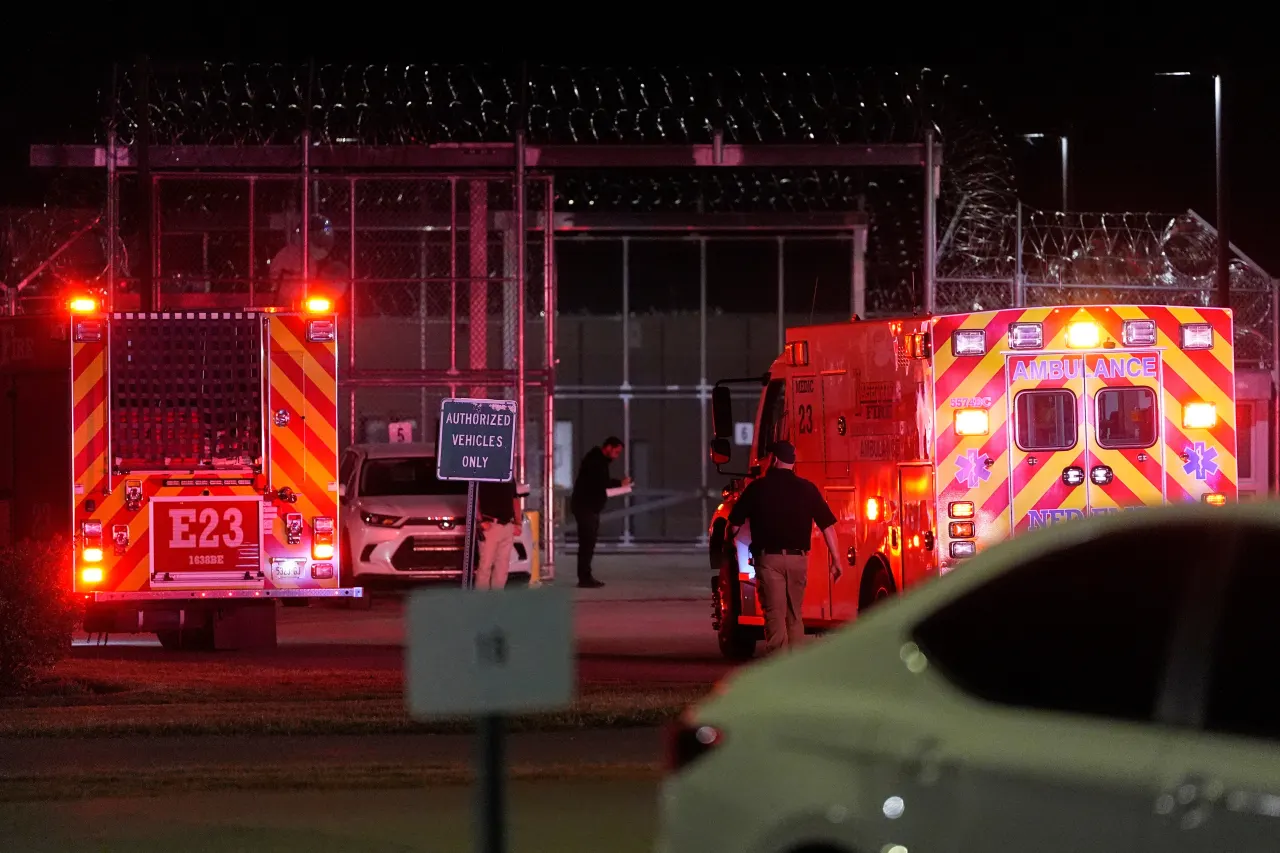
Jeremy Busby, an incarcerated Texas writer and activist, argues that journalists need greater access to prisons to investigate execution practices. He points to at least three troubled executions in the past six months, saying that coverage of suffering inside execution chambers is insufficient when reporters cannot examine the policies and procedures behind it.
In Tennessee, Christa Pike reportedly endured two unsuccessful doses of pentobarbital and spent more than two hours strapped to an execution table before being taken to hospital; she has since returned to prison. Reinaldo Dennes’s execution was also marked by difficulty finding a vein and reports that he cried out in pain, though Texas officials said it was carried out as planned. Busby says access remains restricted: Tennessee permits journalists to attend executions but limits information about execution staff and drug suppliers, while an Indiana policy barring press coverage of executions was upheld by a federal appeals court.
In short
- An incarcerated writer calls for more press access to prisons.
- Three executions reportedly went wrong in six months.
- Secrecy limits scrutiny of execution procedures and drugs.
Steelman: both sides, in good faith
The strongest fair case each way — we don't pick a winner.
The case for
Supporters of greater access argue that executions are carried out by the state in the public's name, and that public scrutiny is the most reliable check on whether they are conducted humanely and lawfully. When reporters can attend but cannot learn who supplies the drugs, who administers them, or how staff are trained, their accounts describe outcomes without explaining causes, leaving the public unable to judge whether failures are isolated mistakes or systemic problems. For them, the troubled executions described in the story are precisely why procedural information, not merely attendance, should be open to the press.
The case against
Defenders of current restrictions argue that naming execution staff and drug suppliers can expose them to harassment, threats and reputational harm, and that suppliers may stop providing drugs if their identities become public, potentially leaving states unable to carry out lawful sentences. They also note that courts have generally not recognised a broad constitutional right of journalists to enter prisons or to obtain information held by the state, and have often deferred to correctional authorities on security grounds. From this perspective, witnesses already attend, and the proper response to a failed execution is internal review and legal challenge rather than wider press access to those carrying out the sentence.