From arrests to crackdowns, how Europe’s leaders are responding as protests rock the continent
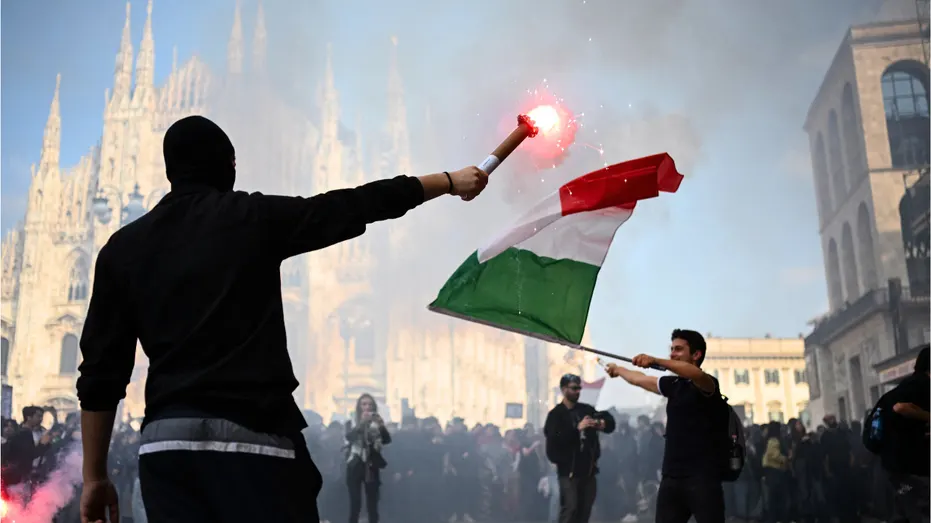
Protests that began with student demonstrations in France have spread to several European countries, with grievances ranging from school conditions and education reforms to budget cuts and alleged government corruption. Leaders have responded in different ways, from mass police deployments and tougher penalties to public support for lawful protest, amid clashes and political disputes over who is fuelling the unrest.
France deployed 70,000 police and reported more than 1,300 arrests, while Italy sent 500 extra soldiers to Milan and approved tougher penalties for minors involved in vandalism. Belgium reported nearly 200 arrests after clashes linked to demonstrations over education and spending cuts; in Greece, protests largely remained peaceful under a visible police presence. In Albania, more than 2,500 officers were deployed as demonstrators in Tirana called for Prime Minister Edi Rama to resign.
In short
- Protests have spread across several European countries.
- France reported more than 1,300 arrests.
- Leaders differ over policing and protest demands.
Steelman: both sides, in good faith
The strongest fair case each way — we don't pick a winner.
The case for
Leaders have a duty to protect the public and keep essential services and streets safe when demonstrations bring clashes or vandalism. Deploying police, enforcing proportionate penalties and responding firmly to violence can protect people while allowing lawful protest to continue.
The case against
Heavy deployments and tougher penalties risk treating broad public grievances as a security problem and may deter peaceful protest. Leaders should protect the right to assemble, address concerns such as education and spending cuts, and ensure policing is proportionate and accountable, especially when arrests or force could inflame tensions.
Explained simply
Across Europe, demonstrations have brought together people with different concerns, including school conditions, education changes, public spending and allegations of corruption. The protests have taken place in several countries, but the causes and scale of unrest vary from one place to another.
National governments and local authorities are responsible for responding to demonstrations, while police manage public safety and any clashes. Some leaders have backed peaceful protest; others have increased police deployments or supported tougher penalties for damage and disorder.
The unrest matters because it has become a test of how governments balance public order with the right to protest. It has also fed political disputes over the causes of the demonstrations and who, if anyone, is encouraging them.