From ‘dog fruit’ to darling: India’s avocado boom
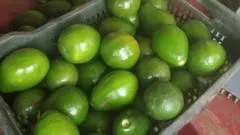
Avocado demand in India has surged over the past 15 years, transforming a fruit once dismissed as "dog fruit" into a sought-after crop for farmers, chefs and consumers. Growers such as Sunil Bopaiah of Cottanad Plantations in Kerala say interest took off around 2011 after Bollywood actress Shilpa Shetty promoted avocado for skincare, prompting prices to double and keep climbing; producers have since adopted new cultivation techniques, learning from South African and Israeli expertise, to meet rising demand.
India currently imports around 15,000 tonnes of avocados annually against domestic production of only 8,000–9,000 tonnes, leaving a substantial supply gap that industry figures see as an opportunity for farmers, particularly those diversifying away from climate-hit crops like coffee and pepper. While restaurants and chefs, such as Hussain Shahzad of Mumbai's Hunger Inc. Hospitality, still favour imported varieties like Hass for their consistency, entrepreneurs including Harshit Godha of the Indo-Israel Avocado Nursery are working to build up local commercial orchards, having supplied around 18,000 international-variety saplings to Indian farmers since 2021.
In short
- India's avocado demand has boomed since around 2011
- Domestic output (8,000-9,000 tonnes) lags far behind 15,000 tonnes imported yearly
- Farmers are diversifying into avocados using Israeli and South African techniques
Steelman: both sides, in good faith
The strongest fair case each way — we don't pick a winner.
The case for
Advocates of India's avocado expansion see a genuine agricultural opportunity: with imports running at roughly double domestic output, there is clear headroom for farmers to capture value that is currently flowing overseas. For growers in regions such as Kerala, diversifying into avocados offers a hedge against crops like coffee and pepper that are increasingly vulnerable to erratic weather, while partnerships drawing on South African and Israeli horticultural expertise are seen as a sensible way to build genuine technical capability rather than simply chasing a fad. Supporters also argue that rising consumer demand, however it originated, is a legitimate market signal that entrepreneurial nurseries and plantations are right to respond to.
The case against
Others take a more cautious view of the boom, noting that avocados are a notoriously water-intensive crop and that rapid expansion driven by fashion or celebrity endorsement can encourage farmers to over-commit to a single, unproven export-oriented crop rather than diversifying sensibly. Sceptics point out that demand traced back to a skincare trend rather than steady culinary adoption may prove volatile, leaving smallholders exposed if prices fall once the novelty fades or if imported varieties continue to be preferred for their consistency. There is also a broader concern shared by critics of similar booms elsewhere that land and water devoted to a luxury, largely urban-consumption fruit could come at the expense of staple food production, even as its long-term profitability for ordinary farmers remains unproven.
Explained simply
India's avocado market has grown quickly over the last decade and a half, moving the fruit from a little-known curiosity, once dismissed with the nickname "dog fruit", to a popular ingredient among cooks and health-conscious consumers. Growers and entrepreneurs across the country have been expanding orchards and improving cultivation methods, often drawing on expertise from established avocado-producing countries such as South Africa and Israel, in an effort to keep pace with rising interest.
Despite this growth, India still produces far fewer avocados than it consumes, relying heavily on imports to make up the shortfall. This gap has created an opening for farmers, including some looking to move away from crops that have become harder to grow reliably due to changing weather patterns, while restaurants and chefs continue to favour imported varieties for their consistent quality.
The story matters because it touches on wider questions about how tastes and diets are changing in India, how farmers adapt to new market opportunities and climate pressures, and how a once-obscure fruit has become tied to celebrity culture, business investment and shifting food trends.