Culture news and discussion on TalkFuse.
From fondue to casseroles: Classic 1960s foods that defined a generation
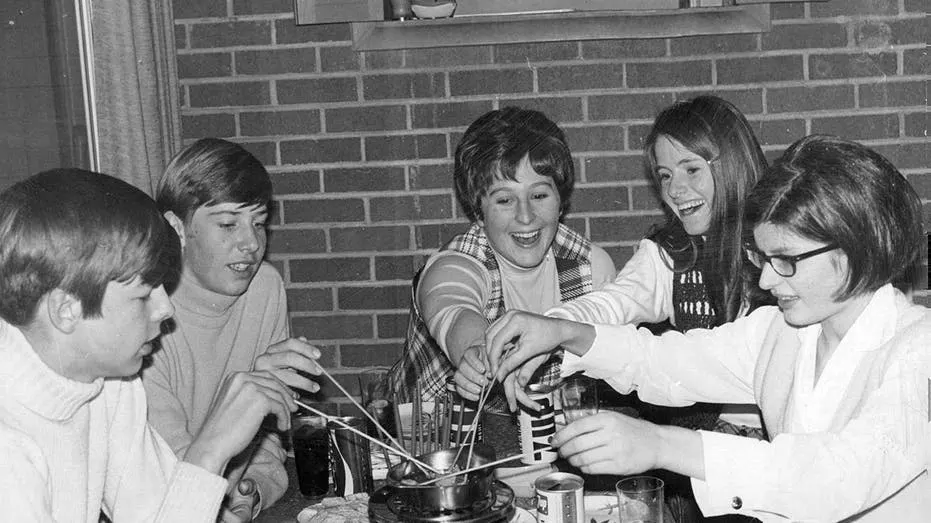
A feature by Fox News revisits the classic dishes that defined American home cooking in the 1960s, a decade in which convenience foods from the 1950s persisted alongside a growing appetite for international cuisine. This shift was driven partly by cultural moments such as Julia Child's television debut and the 1964 New York World's Fair, which introduced middle-class households to unfamiliar techniques and flavours while processed staples like the frozen TV dinner remained popular.
The article highlights dishes including Swiss fondue, popularised in America after being served at the 1964 World's Fair; casseroles such as green bean bake, created by Campbell's in 1955, and tuna noodle casserole; chicken Kiev, with disputed French and Eastern European origins; and French onion dip, which evolved from Lipton's dehydrated onion soup mixed with sour cream in the mid-1950s. Other era-defining foods mentioned include Swedish meatballs, chicken à la king and grasshopper pie, reflecting the decade's blend of convenience cooking and emerging international influence.
In short
- Article recalls classic American dishes popular in the 1960s
- Fondue and casseroles reflected convenience and new international tastes
- Other favourites: chicken Kiev, French onion dip, grasshopper pie
Explained simply
In the 1960s, many American households relied on packaged foods and quick recipes that had become popular in the previous decade. Canned soup, frozen dinners and other convenience products made dishes such as casseroles easier to prepare at home.
At the same time, more Americans encountered cooking styles and flavours from abroad. Julia Child’s television programmes introduced viewers to French cooking, while the 1964 New York World’s Fair showcased foods and ideas from other countries.
Food companies, television and public events all helped shape what people cooked and ate. The mix of familiar convenience foods and newer influences reflected changing tastes in American home life.