World news and discussion on TalkFuse.
From John Ford to Elvis’s ghetto: The fight against injustice in the United States
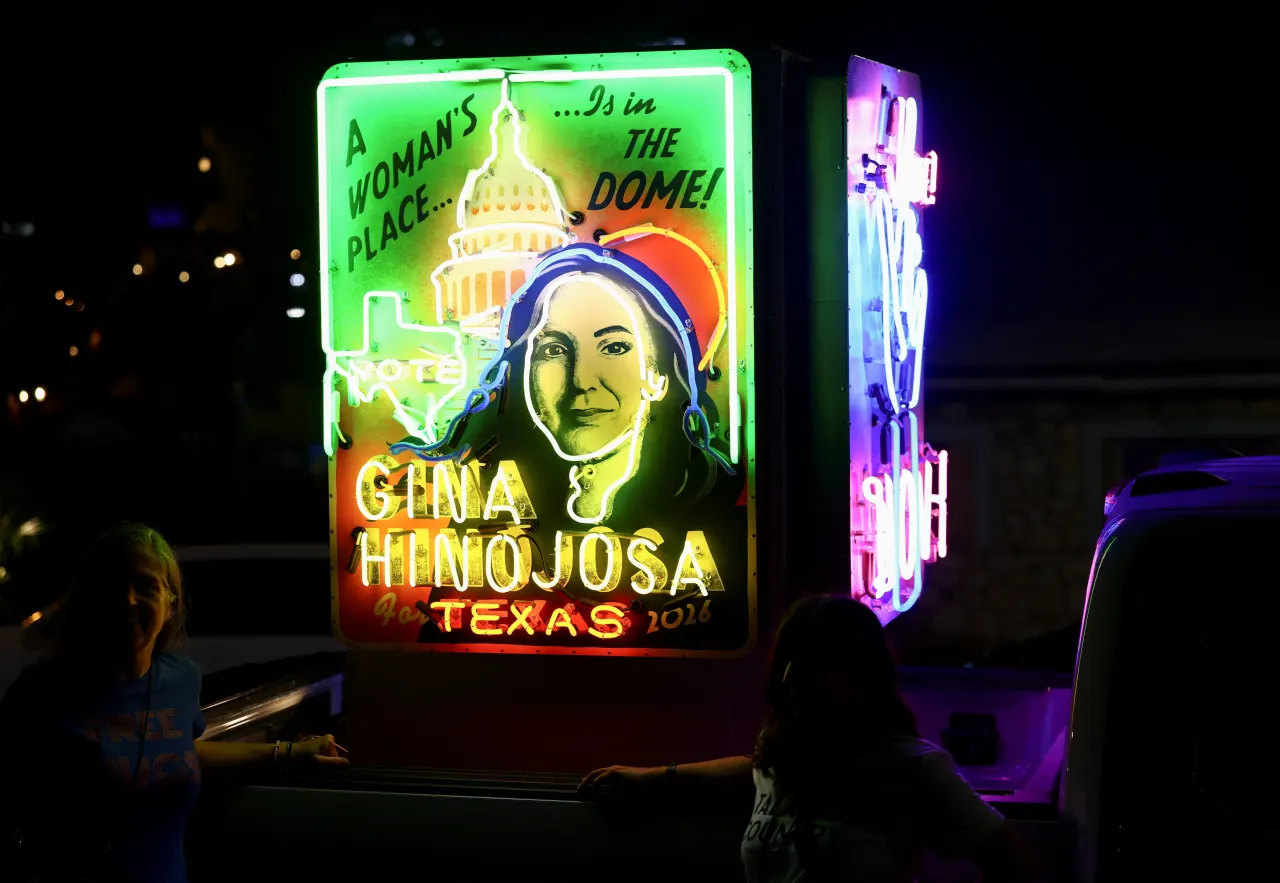
The article argues that the United States’ cultural history and recent electoral gains show a continuing struggle against racism and exclusion. It links John Ford’s film The Searchers, which depicts both violence and cultural diversity, with the 2026 midterm results and the greater representation of minority communities in public office.
The elections brought several firsts, including Gina Hinojosa becoming Texas’s first Hispanic governor and Deb Haaland becoming New Mexico’s first Native American governor. A Guardian tally cited in the article says 180 Native American candidates won local, state or federal office, a record; it also notes that Indigenous people did not gain full citizenship until 1924 and could not vote in every state until the 1960s. The article sets these gains against Donald Trump’s efforts to promote a white Christian vision of the country, and points to works such as In the Ghetto and To Kill a Mockingbird as expressions of America’s diverse culture and civil rights struggles.
In short
- The 2026 midterms brought record Native American representation.
- Texas elected its first Hispanic governor.
- The article connects these gains to a long cultural struggle against injustice.
Steelman: both sides, in good faith
The strongest fair case each way — we don't pick a winner.
The case for
Greater representation in public office can make institutions more responsive to communities long excluded from political power and can help address barriers that persist after formal voting rights were secured. The article’s historical and cultural examples support the view that America’s identity has always been shaped by diverse communities and continuing challenges to racism.
The case against
Electoral firsts and record numbers of Indigenous officeholders are meaningful, but they do not by themselves show that exclusion has ended or establish how well elected officials will serve their constituents. A critic could also argue that promoting a shared national identity, including its religious and cultural traditions, need not amount to racial exclusion, and that political disagreement should be judged by policies and outcomes rather than framed as a struggle between inclusion and racism.
Explained simply
The United States is home to communities with different racial, ethnic and cultural backgrounds, but political rights and representation have expanded unevenly. Indigenous people, for example, gained US citizenship in 1924, and voting restrictions affecting them remained in some states until the 1960s.
Films and songs have also reflected debates about race and belonging. John Ford’s The Searchers depicts conflict between white settlers and Indigenous people; To Kill a Mockingbird addresses racial injustice, while Elvis Presley’s In the Ghetto depicts poverty and exclusion.
These histories help explain why representation in public office can carry wider significance. The article sets recent gains by minority candidates against Donald Trump’s promotion of a white Christian vision of the country, placing both within a longer argument over who is included in American life.