Business news and discussion on TalkFuse.
From Paris to DC – why offices are being turned into apartments
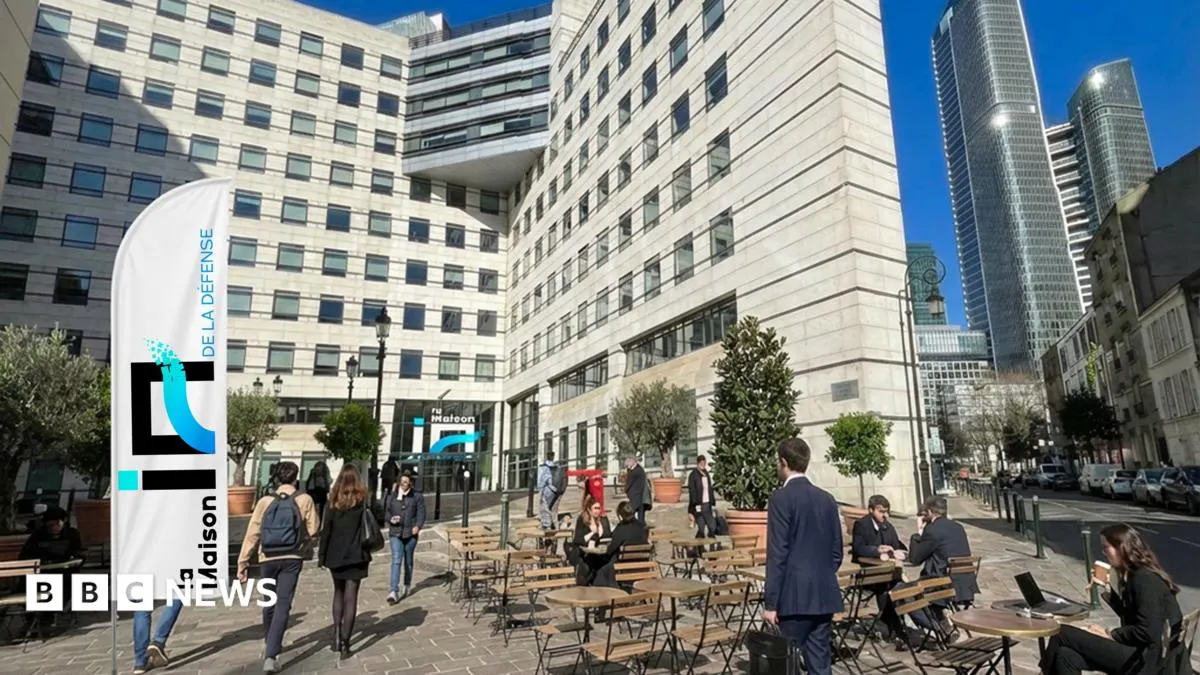
La Défense, Paris’s major business district, plans to convert up to a fifth of its office buildings into homes as demand for office space has fallen since the Covid-19 pandemic and homeworking became more common. The change could bring more residents to the district and help it become a place for leisure and daily life as well as work.
One planned project will turn the nine-storey Le Diamant building, where 1,800 people work, into apartments. The conversion faces practical challenges, including dark interior spaces, extra plumbing and low ceilings. La Défense’s office vacancy rate is 14–15%, while demand for office space in Paris has fallen by almost a third over five to six years. In Washington DC, 6,533 converted flats were in the pipeline in a report last year, and the city aims to add 15,000 downtown residents by 2028.
In short
- La Défense plans to turn up to a fifth of its offices into housing.
- Office demand has fallen as homeworking has grown.
- Conversions face design challenges but could bring more life to business districts.
Steelman: both sides, in good faith
The strongest fair case each way — we don't pick a winner.
The case for
Converting underused offices into homes could make better use of existing buildings as working patterns reduce demand for office space, while adding residents who support shops, cafés and other daily services. It may also help city centres become active beyond business hours and add housing without relying entirely on new construction.
The case against
Office-to-home conversions can be technically difficult and costly: deep floor plans may leave rooms without daylight, and buildings may need substantial plumbing and other alterations. If projects prove impractical or deliver homes that are poorly suited to residents, converting offices may do less to address housing needs than expected, while weakening the office districts that remain important to employers and workers.