Entertainment news and discussion on TalkFuse.
From Phoebe Bridgers to Yoko Ono: The power of a good grief album
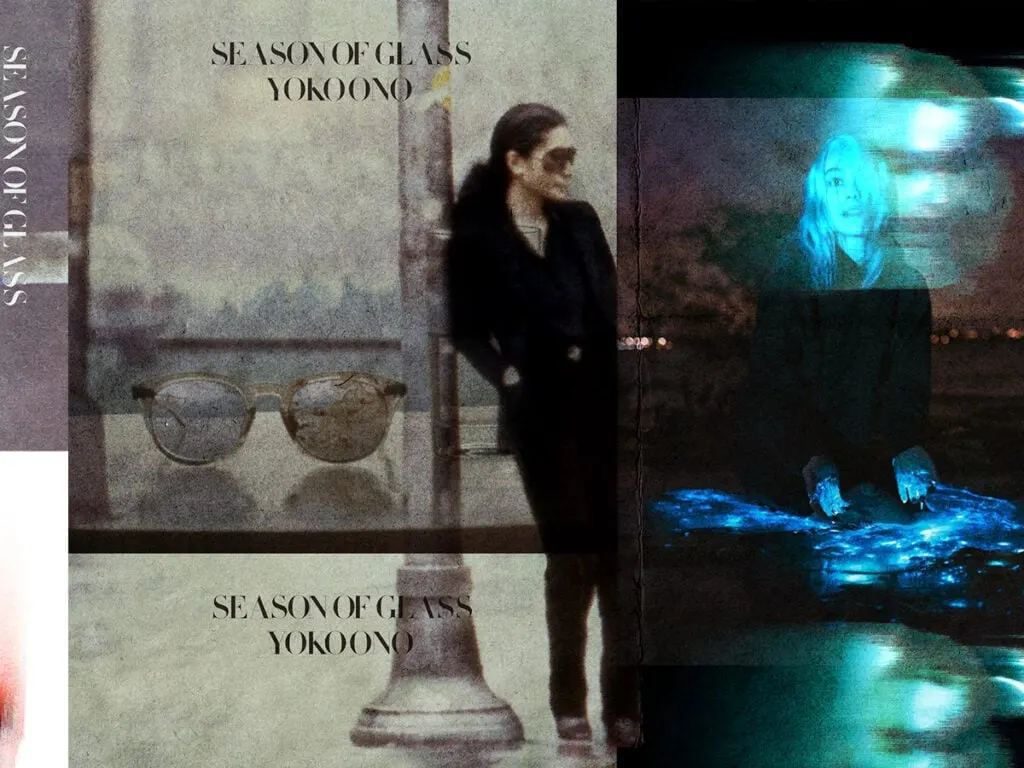
The article argues that albums about bereavement can transform intensely personal loss into a shared source of recognition and catharsis, while never resolving the pain that inspired them. It presents grief records as brave works because they require artists to expose private suffering that listeners may adapt to their own experiences.
Phoebe Bridgers’ Lost Weekend is cited as a recent high-profile example, addressing her father’s death through songs that begin at his funeral and end with the acknowledgement that he will not return. The article also recalls Yoko Ono’s 1981 Season of Glass, released six months after John Lennon’s murder, whose retained cover image of Lennon’s blood-stained glasses challenged concerns about taste and emphasised the raw reality of her loss.
In short
- Grief albums turn personal loss into shared emotional connection.
- Phoebe Bridgers’ record confronts her father’s death directly.
- Yoko Ono’s album documented Lennon’s murder with unflinching honesty.
Explained simply
Grief albums are records shaped by an artist’s experience of losing someone, often through death. They can turn private memories and feelings into songs that listeners connect with through their own experiences of bereavement.
Phoebe Bridgers and Yoko Ono are two artists whose work has been linked to this subject. Bridgers’ Lost Weekend reflects on her father’s death, while Ono’s Season of Glass followed the murder of her husband, John Lennon, in 1980. Such records can offer recognition or release for listeners, though making or hearing them does not remove the pain of loss.