From ROCO to ruin: A buzzy arts co-op raised £1.2m from local investors and left them with nothing
Developing story first seen 1 hour ago
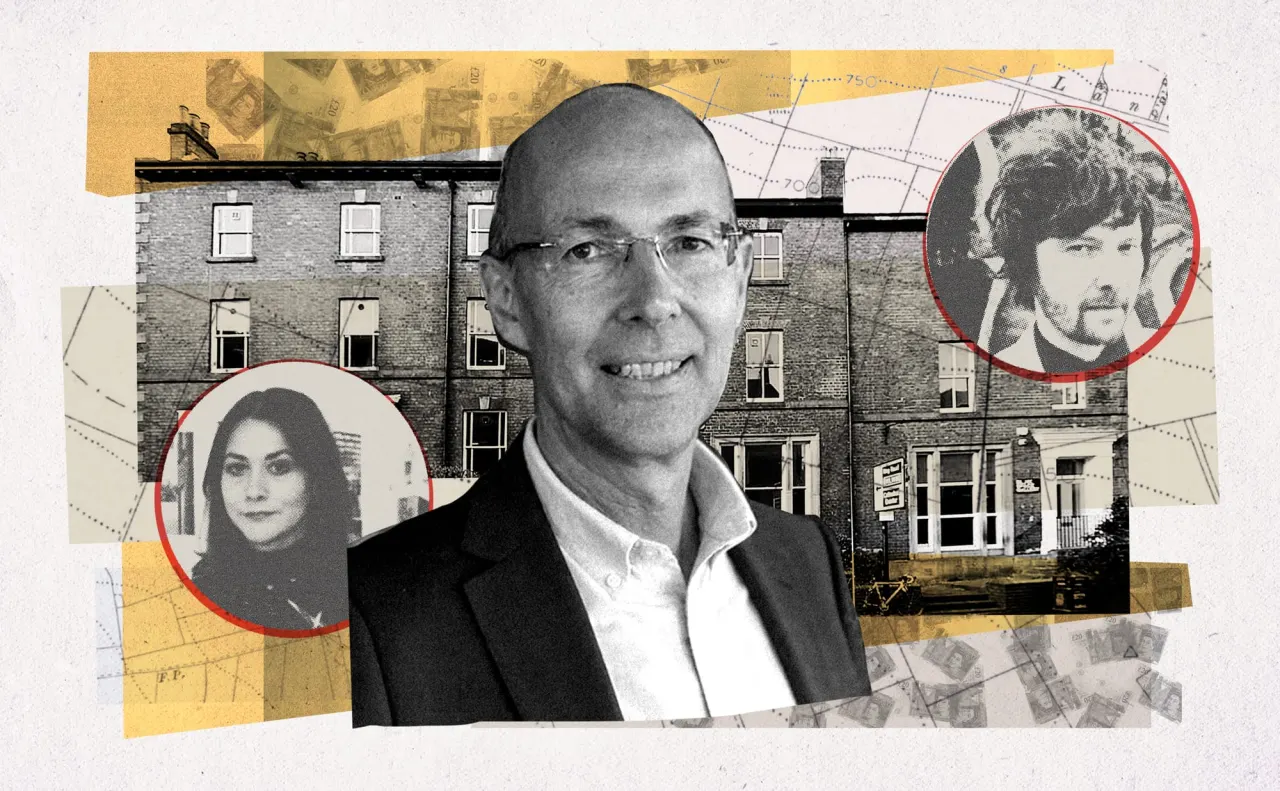
Newly added reporting highlights that a private company with a similar offer moved into The ROCO’s buildings just a month after the arts co-operative closed in 2018, with former ROCO co-founder Andrea Burns among its directors. The development raises questions for investors who had been promised annual returns and were left with nothing when the co-op collapsed.
The ROCO raised more than £1 million from local investors and the public to convert seven Grade II-listed buildings on Glossop Road into a 17,000 sq ft arts complex. It closed three years after opening, leaving almost 150 people and organisations out of pocket; investor Peter Marsh called the collapse a missed opportunity for Sheffield and criticised what he saw as poor business skills or excessive optimism.
- Sources
- 2
- Outlets
- 2
- Left · Centre · Right
- 0 · 0 · 0
In short
- A private business with a similar offer took over the buildings in 2018.
- Former ROCO co-founder Andrea Burns was one of its directors.
- Nearly 150 investors were left without the promised returns.
How this story developed
- 15 minutes ago The ROCO, a Sheffield arts co-operative, raised more than £1 million from local investors and the public to convert seven listed buildings into a creative hub.
- 18 minutes ago Newly added reporting highlights that a private company with a similar offer moved into The ROCO’s buildings just a month after the arts co-operative closed in 2018, with former ROCO co-founder Andrea Burns among its directors.
Steelman: both sides, in good faith
The strongest fair case each way — we don't pick a winner.
The case for
ROCO offered Sheffield a locally backed creative hub in restored historic buildings, bringing studios, events and public spaces together. Its closure deprived the city of a promising cultural asset, and investors can reasonably argue that stronger business planning might have preserved the co-operative and its community benefits.
The case against
The project’s ambitions did not guarantee a viable business, and the co-operative’s closure may reflect that its model could not sustain the buildings and services it promised. A successor offering a similar mix could be seen as keeping the space in creative use, though that would not undo investors’ losses or answer questions about how the original venture was managed.
Explained simply
ROCO was a Sheffield arts co-operative set up to turn seven listed buildings into a shared space for creative work and events. It raised more than £1 million from nearly 150 local people and organisations, who expected the venue to provide annual returns.
The project brought together studios, offices, a bookshop, a café-bar and event space in one large venue. Its closure three years after opening matters because it left investors without the returns they had been promised and ended a project many had hoped would benefit the city.