World news and discussion on TalkFuse.
From sugar mills to monasteries: Luxury hotels that have given historic buildings a second life
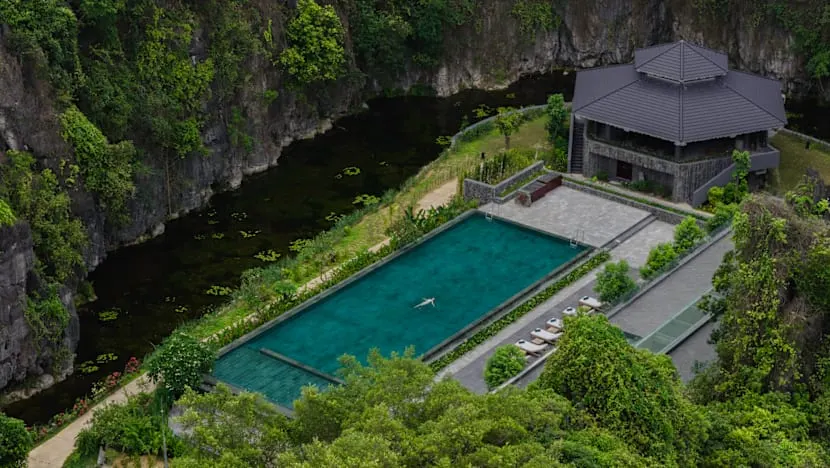
The article describes how luxury hotels are giving historic buildings new uses while retaining features that reflect their past. This adaptive reuse can preserve architectural heritage and create distinctive stays, while offering a more place-based approach to hospitality than building entirely from scratch.
Examples include Yangshuo Sugar House in China, a 113-room resort in a former sugar mill that closed in 2001, and Azumi Setoda in Japan, a 22-room ryokan created from a merchant residence dating to 1876. In Laos, Amantaka occupies a former colonial-era hospital restored from 2007, preserving details such as timber shutters and shaded verandahs while adding modern comforts. The article presents these transformations as a way to give existing buildings renewed purpose without erasing their history.
In short
- Historic buildings are becoming distinctive luxury hotels.
- Adaptive reuse keeps architectural features while adding modern comforts.
- Former mills, homes and hospitals now welcome guests.
Steelman: both sides, in good faith
The strongest fair case each way — we don't pick a winner.
The case for
Turning historic buildings into hotels can fund their restoration and keep distinctive architecture in use, rather than allowing it to decay or replacing it with new construction. If conversions retain meaningful features and respect local context, they can offer guests a stronger sense of place while supporting jobs and tourism.
The case against
Even careful hotel conversions can shift historic places towards serving wealthy visitors, with local access and community needs taking a back seat. Commercial use may also reshape a building’s character, and the environmental or heritage benefits depend on the quality of the restoration and the impact of operating a luxury resort.
Explained simply
Adaptive reuse means adapting an existing building for a new purpose while keeping parts of its historic character. In hotels, this can make features such as old machinery, timber shutters or verandahs part of the guest experience.
The buildings in this story began as a sugar mill in China, a merchant’s home in Japan and a hospital in Laos. Their owners have converted them into hotels, combining historic features with modern facilities.
These projects show one way to preserve buildings and give them a continuing role. They can also create stays that reflect the history and architecture of their surroundings.